
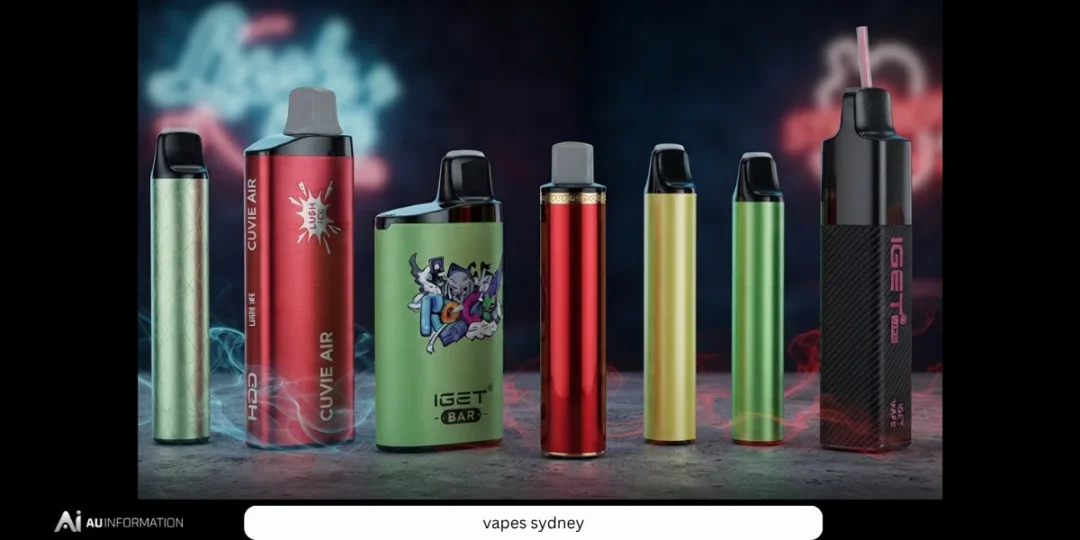
Vaping has become one of the most debated public health issues in Sydney and across Australia. Once promoted by some users as an alternative to traditional cigarettes, electronic cigarettes have evolved into a complex issue involving healthcare, regulation, youth behaviour, illegal imports and law enforcement.
In Sydney, the conversation around vapes is no longer only about personal choice. It now involves strict government controls, pharmacy-based access rules, concerns about young people using nicotine products and ongoing efforts to reduce illegal vape distribution.
Australia has taken one of the world’s more tightly regulated approaches to vaping. The aim is to balance access for adults who use vaping as part of smoking cessation strategies while reducing recreational use, particularly among teenagers and young adults.
Why Vapes Became Popular in Sydney
Vaping grew rapidly in Sydney over the past decade for several reasons. Many smokers viewed e-cigarettes as a potential alternative to traditional tobacco products because they produce vapour rather than smoke.
Several factors contributed to the growth of vaping:
- The perception that vaping was cleaner than smoking cigarettes
- The availability of different flavours and devices
- Social media influence among younger users
- Marketing trends from international vape companies
- The popularity of disposable vape products
Disposable vapes became especially popular because they were affordable, easy to use and required no maintenance. Their convenience contributed to their widespread availability through informal markets and online channels.
However, increasing evidence about nicotine dependence, youth uptake and illegal supply chains led Australian governments to introduce stronger controls.
Current Vape Laws in Sydney
Sydney follows the vaping laws that apply across New South Wales and Australia.
Under current regulations, vaping products containing nicotine can only be accessed through legal medical pathways.
In New South Wales:
- Vapes containing nicotine require appropriate medical approval
- Legal supply is primarily managed through participating pharmacies
- Vape shops, tobacconists and convenience stores cannot legally sell vaping products
- Unauthorised online sales and imports are prohibited
These rules were introduced to reduce uncontrolled access while still allowing adults who need nicotine support to obtain products through regulated channels.
The goal of the legislation is not simply to eliminate vaping completely but to prevent widespread commercial sales and reduce harm associated with uncontrolled use.
The Role of Pharmacies in Vape Access
Pharmacies have become the central point for legal vape access in Sydney.
This approach places vaping within a healthcare framework rather than treating it as a general retail product.
A pharmacy-based model provides several benefits:
- Professional advice about nicotine use
- Better monitoring of consumers
- Support for smoking cessation goals
- Reduced access for minors
- Greater product regulation
Healthcare professionals can also discuss alternative quitting methods, including nicotine replacement therapies and behavioural support programs.
For people attempting to stop smoking, the focus is usually on finding the safest and most effective pathway rather than simply replacing one nicotine habit with another.
Sydney’s Illegal Vape Market
Despite strict regulations, an illegal vape market has continued to operate in Sydney and other Australian cities.
Authorities have reported concerns about:
- Unauthorised retail sales
- Online vape distribution
- Imported disposable vapes
- Products entering Australia without approval
- Sales targeting younger consumers
Some illegal products may contain unknown ingredients, excessive nicotine levels or substances that have not been properly tested.
The growth of illegal supply networks has created challenges for regulators because these markets can quickly adapt through social media platforms, messaging applications and underground distribution systems.
Government Crackdown on Illegal Vapes
Australian authorities have increased enforcement efforts against illegal vaping networks.
Actions have included:
- Seizing unlawful vape shipments
- Targeting businesses selling prohibited products
- Monitoring online sellers
- Working with border protection agencies
- Investigating organised supply networks
The crackdown reflects growing concern that illegal vape sales undermine public health policies and make it easier for young people to access nicotine products.
However, enforcement remains challenging because illegal sellers often operate through constantly changing channels.
Health Concerns Associated With Vaping
Although vaping is often compared with smoking, health experts continue to highlight concerns about nicotine addiction and long-term effects.
Potential concerns include:
- Nicotine dependence
- Effects on adolescent brain development
- Respiratory irritation
- Exposure to chemicals in vapour
- Difficulty quitting nicotine use
Young people are considered particularly vulnerable because nicotine can affect developing brains and increase the likelihood of long-term dependence.
Health experts generally emphasise that people who do not smoke should not begin vaping.
For current smokers, medical professionals often recommend evidence-based quitting strategies rather than starting long-term vaping without guidance.
Youth Vaping in Sydney
One of the biggest drivers behind stricter vape laws has been concern about youth vaping.
Many young users were attracted to disposable devices because of:
- Sweet flavours
- Colourful packaging
- Small portable designs
- Social media trends
Schools, parents and health organisations have increasingly focused on education about nicotine addiction and the risks associated with vaping.
Preventing young people from becoming dependent on nicotine has become a major public health priority.
Common Misunderstandings About Vapes
There are several common misconceptions about vaping.
“Vapes Are Completely Safe”
While vaping may be different from smoking traditional cigarettes, it does not mean it is risk-free. Nicotine addiction and possible health effects remain concerns.
“All Vape Products Are Legal”
Many products available through informal sellers or online sources may not comply with Australian regulations.
“Flavoured Disposable Vapes Are Harmless”
Flavours can make vaping more appealing, especially among younger users, but they do not remove the risks associated with nicotine exposure.
Practical Advice for Vape Users in Sydney
People who currently vape should consider several important steps:
Understand the Law
Consumers should only obtain vaping products through legal channels and avoid unregulated sellers.
Consider Health Support
Those using nicotine should speak with healthcare professionals about quitting options or managing dependence.
Avoid Illegal Products
Unregulated products may carry additional risks because their ingredients and manufacturing standards are uncertain.
Stay Informed
Vaping regulations continue to change, so consumers should regularly check official health information.
The Future of Vaping in Sydney
The future of vaping in Sydney will likely continue to involve stricter regulation, improved enforcement and greater emphasis on smoking cessation.
Several trends are expected to shape the future:
- Increased pharmacy involvement
- Continued action against illegal supply chains
- More public education campaigns
- Greater focus on youth prevention
- Development of improved nicotine cessation programs
Technology and consumer behaviour will continue to influence the market, but government policy is expected to remain focused on reducing unnecessary nicotine use.
Conclusion
The story of vapes in Sydney reflects a much larger Australian debate about public health, regulation and personal choice. What began as a rapidly growing consumer trend has become a tightly controlled area involving pharmacies, healthcare professionals, law enforcement and community organisations.
While vaping may have a role for some adults managing nicotine dependence under medical guidance, uncontrolled access and illegal sales remain significant concerns.
As regulations continue to evolve, the future of vaping in Sydney will depend on finding a balance between supporting smokers who want to quit and protecting younger generations from nicotine addiction.




No Comments