
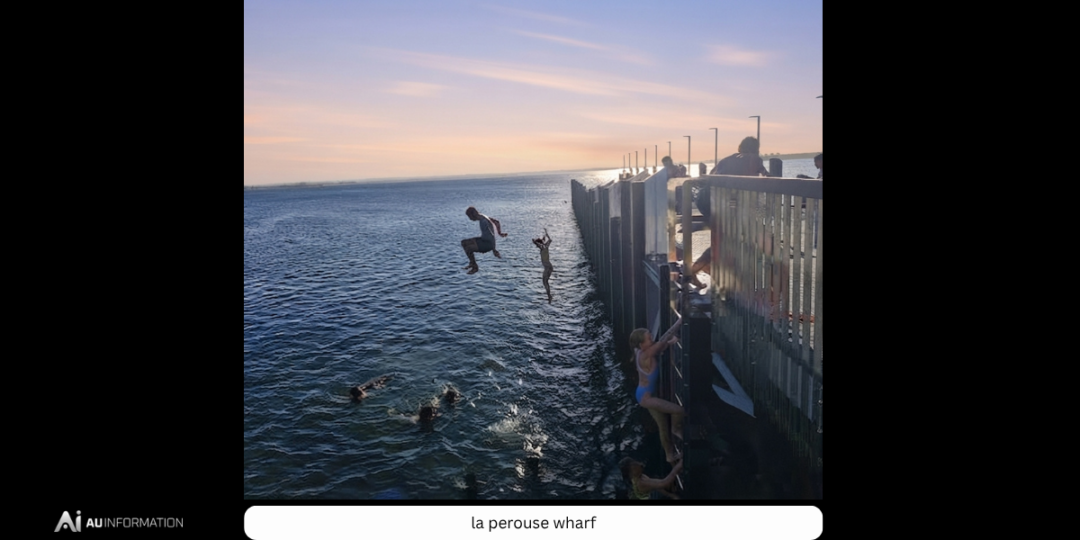
Sydney is famous for its harbour landmarks, but beyond the Opera House and Harbour Bridge lies another waterfront destination where history, culture and natural beauty come together. La Perouse Wharf, located on the northern shores of Botany Bay, has become an important coastal attraction that reflects Sydney’s connection with the ocean, Aboriginal heritage and public waterfront spaces.
As part of the broader Kamay Wharves project, the redeveloped wharf has transformed access to one of Sydney’s most historically significant coastal areas. Stretching into Botany Bay, the modern structure provides opportunities for fishing, boating, sightseeing and enjoying some of the most spectacular coastal views in the city.
More than just a place to stand beside the water, La Perouse Wharf represents the meeting point between Sydney’s past and future — from thousands of years of Aboriginal connection to Country, to modern waterfront recreation and tourism development.
Where Is La Perouse Wharf Located?
La Perouse Wharf is located at La Perouse, on the northern side of Botany Bay in Sydney’s eastern suburbs.
The area is approximately 14 kilometres south-east of the Sydney CBD and is known for its:
- Coastal scenery
- Historic landmarks
- Marine environment
- Aboriginal cultural significance
- National park landscapes
The wharf sits close to several popular attractions, including:
- Bare Island Fort
- La Perouse Museum
- Congwong Bay
- Kamay Botany Bay National Park
Its location makes it a popular destination for locals, tourists, photographers, anglers and visitors looking for a quieter alternative to Sydney’s more crowded waterfront locations.
The Kamay Wharves Project and Redevelopment
The redevelopment of La Perouse Wharf forms part of the Kamay Wharves project, which aims to improve waterfront connections between La Perouse and Kurnell across Botany Bay.
The project was designed to create better public access while celebrating the cultural and environmental importance of the area.
The new wharf is approximately 180 metres long and provides space for:
- Recreational fishing
- Walking
- Sightseeing
- Boating access
- Coastal experiences
The redevelopment reflects a wider trend in Sydney of improving public waterfront areas while preserving their historical and environmental value.
Rather than creating a purely commercial attraction, the focus has been on providing a public space where people can connect with the coastline.
A Place With Thousands of Years of Aboriginal History
Before European arrival, the La Perouse area was home to Aboriginal communities with a deep and continuous connection to Country.
The area holds important cultural significance for the local Aboriginal community, particularly the Dharawal people, whose relationship with the land and sea extends back thousands of years.
Botany Bay has long provided:
- Food resources
- Cultural sites
- Ceremonial connections
- Knowledge of coastal ecosystems
Any discussion about La Perouse Wharf must recognise that the location is not simply a scenic destination. It is part of a living cultural landscape with generations of Aboriginal history.
The preservation and recognition of this heritage remain important parts of the area’s identity.
The European History of La Perouse
La Perouse also has a significant place in Australian colonial history.
The area takes its name from French explorer Jean-François de Galaup, Comte de La Pérouse, who arrived at Botany Bay in 1788, shortly after the arrival of the First Fleet.
The French expedition reached Australia during a period of major global exploration and scientific discovery.
Nearby historical attractions continue to tell this story, including:
La Perouse Museum
The museum explores the history of French exploration, local heritage and the cultural significance of the region.
Bare Island Fort
Built in the late 19th century, Bare Island Fort is one of Sydney’s important coastal defence structures.
Together, these sites make La Perouse one of Sydney’s most historically rich coastal areas.
Fishing at La Perouse Wharf
Fishing has always been one of the most popular activities at La Perouse Wharf.
The long structure extending into Botany Bay provides anglers with access to deeper water and wide views across the bay.
Common reasons people enjoy fishing from the wharf include:
- Easy public access
- Scenic surroundings
- Family-friendly environment
- Variety of marine species
Depending on conditions and seasons, anglers may target species such as:
- Bream
- Flathead
- Australian salmon
- Other coastal fish
However, responsible fishing practices are important to protect marine ecosystems.
Visitors should always follow:
- Local fishing regulations
- Size and bag limits
- Environmental guidelines
- Safe fishing practices
Coastal Views and Photography Opportunities
One of the biggest attractions of La Perouse Wharf is its natural beauty.
The wharf provides wide views across Botany Bay, making it especially popular during sunrise and sunset.
Photographers often visit to capture:
- Golden coastal light
- Ocean landscapes
- Boats crossing the bay
- Bare Island views
- Sydney’s natural coastline
The combination of water, cliffs, historical structures and open skies creates a unique visual experience.
Unlike some busy city attractions, La Perouse offers a more peaceful coastal atmosphere.
Tourism and Community Impact
The redevelopment of La Perouse Wharf has strengthened the area’s role as a tourism destination.
It supports local recreation by encouraging visitors to explore the wider La Perouse area.
Benefits include:
- Increased access to public spaces
- Support for local tourism
- Improved visitor experiences
- Greater awareness of cultural heritage
The wharf also connects with broader coastal walking experiences, allowing visitors to explore nearby beaches, national park areas and historic locations.
Future Ferry Connections and Transport Potential
One of the most discussed aspects of the Kamay Wharves project has been the possibility of improved water transport connections between La Perouse and Kurnell.
The idea of ferry services across Botany Bay has attracted interest because it could provide:
- New tourism opportunities
- Alternative transport options
- Better connections between historic sites
However, future ferry operations depend on factors such as:
- Infrastructure planning
- Operational requirements
- Environmental considerations
- Transport decisions
The wharf’s future role may continue evolving as Sydney considers new ways to connect coastal communities.
Tips for Visiting La Perouse Wharf
Visitors can make the most of their trip by planning ahead.
Helpful tips include:
Visit During Early Morning or Sunset
These times provide the best lighting and a more peaceful atmosphere.
Explore Nearby Attractions
Do not visit only the wharf. Allow time to explore:
- Bare Island
- Congwong Bay
- Historical sites
- Coastal walking areas
Check Weather Conditions
Coastal conditions can change quickly, especially when walking on exposed areas.
Respect the Environment
Visitors should avoid littering and protect the natural surroundings.
Common Mistakes Visitors Make
Some visitors underestimate how much there is to explore around La Perouse.
Common mistakes include:
- Visiting only for a quick photo
- Ignoring the cultural history
- Not checking weather conditions
- Leaving rubbish behind
- Missing nearby attractions
Understanding the area’s history makes the experience much more meaningful.
The Future of La Perouse Wharf
La Perouse Wharf represents an important example of how Sydney can develop public infrastructure while respecting history and nature.
Its future will likely involve continued growth as a destination for:
- Tourism
- Recreation
- Cultural education
- Waterfront experiences
As Sydney’s population grows, places like La Perouse Wharf demonstrate the importance of preserving accessible coastal spaces where communities can connect with the environment.
Conclusion
La Perouse Wharf is more than a new waterfront structure on Botany Bay. It is a place where Aboriginal heritage, European history, fishing traditions and modern coastal lifestyles meet.
From its connection to the Kamay Wharves project to its stunning views and recreational opportunities, the wharf has become an important addition to Sydney’s eastern coastline.
Whether visitors come for fishing, photography, history or simply to enjoy the ocean views, La Perouse Wharf offers a unique experience that reflects the beauty and complexity of Sydney’s coastal identity.




No Comments