
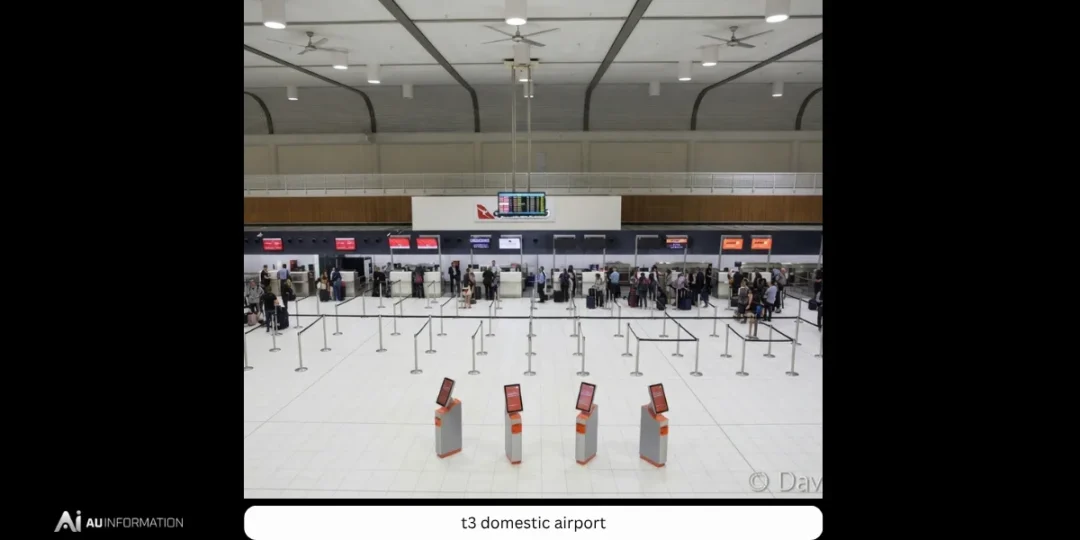
Sydney’s T3 Domestic Airport Terminal is one of Australia’s most recognisable aviation facilities, serving as a major gateway for domestic travellers across the country. Located at Sydney Kingsford Smith Airport in Mascot, New South Wales, Terminal 3 has played a central role in Australian air travel for decades through its close connection with Qantas, the nation’s largest airline.
For millions of passengers each year, T3 is the starting point for business trips, family holidays, interstate visits and important journeys across Australia. Unlike other terminals at Sydney Airport that serve multiple airlines, Terminal 3 has a unique identity because it is primarily dedicated to Qantas and QantasLink domestic operations.
From modern check-in technology and comfortable lounges to dining options and convenient transport links, T3 Domestic Airport has evolved into more than just a place to catch a flight. It represents the changing expectations of modern travellers and the ongoing transformation of Australia’s aviation infrastructure.
What Is T3 Domestic Airport?
T3 Domestic Airport refers to Sydney Airport Terminal 3, one of the main domestic passenger terminals at Sydney Kingsford Smith Airport.
The terminal mainly handles flights operated by:
- Qantas
- QantasLink regional services
Passengers travelling from T3 can connect to many major Australian destinations, including:
- Melbourne
- Brisbane
- Perth
- Adelaide
- Canberra
- Hobart
- Regional Australian locations
The terminal’s strong association with Qantas has made it an important part of Australia’s aviation history. For many travellers, arriving at T3 immediately signals a Qantas domestic journey.
The History and Importance of Sydney Terminal 3
Terminal 3 has a long relationship with Qantas and has been an important part of Sydney’s domestic aviation network for many years.
Sydney Airport itself has a history dating back to the early development of Australian aviation, becoming one of the country’s busiest transport hubs due to Sydney’s position as a major business and tourism centre.
As domestic air travel expanded, Terminal 3 was developed and upgraded to manage increasing passenger numbers. Over time, improvements have focused on:
- Faster passenger processing
- Better retail and dining spaces
- Improved baggage systems
- Enhanced lounge facilities
- Digital travel services
The terminal continues to adapt as airlines and passengers demand faster, smoother and more convenient travel experiences.
Qantas and Its Role at T3 Domestic Airport
The strongest feature of Terminal 3 is its connection with Qantas.
As Australia’s national carrier, Qantas uses T3 as a major domestic operating base. The airline provides frequent services between Sydney and key Australian cities, making the terminal extremely important for business travellers and frequent flyers.
Qantas passengers benefit from:
- Dedicated check-in areas
- Frequent flight schedules
- Priority services for eligible travellers
- Lounge access options
- Integrated baggage services
For corporate travellers who regularly fly interstate, T3 provides a familiar and efficient airport experience.
Facilities Available at T3 Domestic Airport
Terminal 3 offers a wide range of passenger facilities designed to make travel more comfortable.
Check-In and Baggage Services
Passengers can access Qantas check-in counters and baggage facilities within the terminal.
Services include:
- Standard check-in
- Self-service options
- Bag drop facilities
- Customer assistance counters
Travellers are encouraged to check their airline requirements before arriving, especially regarding baggage limits and check-in deadlines.
Food and Dining Options
T3 provides several cafés, restaurants and takeaway options for passengers before departure.
Travellers can find:
- Coffee shops
- Quick meals
- Breakfast options
- Snacks
- Sit-down dining
Many passengers choose to arrive early and enjoy a meal or coffee before boarding their flight.
Shopping and Retail
The terminal includes retail outlets offering products such as:
- Travel essentials
- Gifts
- Convenience items
- Duty-style shopping products
These services are particularly useful for passengers who need last-minute items before their flight.
Qantas Lounges at Terminal 3
One of the highlights of T3 Domestic Airport is its premium lounge experience.
Qantas operates dedicated lounges for eligible passengers, including:
- Qantas Club
- Qantas Domestic Business Lounge
These lounges provide a quieter environment away from the main terminal areas.
Features may include:
- Comfortable seating
- Food and beverages
- Work areas
- Wi-Fi access
- Business facilities
For frequent flyers, lounge access can significantly improve the airport experience by providing a comfortable space to relax or work before departure.
Transport Options to T3 Domestic Airport
Sydney T3 is located in Mascot, approximately 8 kilometres from Sydney’s central business district.
Travellers can reach the terminal through several transport options.
Airport Train
The Airport Link train service provides direct connections between Sydney CBD and the airport.
Benefits include:
- Regular services
- Fast travel times
- Avoiding road traffic
Taxi and Rideshare
Taxi and rideshare services provide direct transport to the terminal entrance.
These options are popular for:
- Families with luggage
- Business travellers
- Early morning flights
Private Vehicles and Parking
Sydney Airport provides parking facilities for passengers travelling by car.
Options include:
- Short-term parking
- Long-term parking
- Pick-up and drop-off areas
Passengers should allow extra time during busy periods because airport traffic can become congested.
Tips for a Better T3 Airport Experience
Experienced travellers often follow several simple strategies to make their journey smoother.
Arrive Early
Domestic passengers should allow enough time for:
- Check-in
- Security screening
- Finding the departure gate
Peak travel periods, including holidays and weekends, can create longer queues.
Use Digital Services
Using airline apps and online check-in can save time.
Passengers can often:
- Select seats
- Receive digital boarding passes
- Monitor flight updates
Check Terminal Information Before Travelling
Sydney Airport has multiple terminals, so passengers should confirm they are heading to the correct location.
A common mistake is arriving at Terminal 2 when travelling with Qantas from Terminal 3.
Challenges Facing T3 Domestic Airport
Like many major airports, Terminal 3 faces challenges connected with increasing passenger demand.
Important issues include:
- Managing congestion during peak periods
- Improving sustainability
- Expanding digital services
- Maintaining efficient passenger movement
Airports globally are investing in technology such as automated systems, biometric processing and smarter baggage handling to improve future travel experiences.
The Future of T3 Domestic Airport
The future of Terminal 3 will likely focus on creating a more connected and efficient passenger experience.
Potential developments include:
- More digital check-in technology
- Improved sustainability measures
- Enhanced passenger services
- Better integration with ground transport
As domestic travel continues to grow, Sydney Airport’s terminals will remain critical to Australia’s economic and tourism networks.
Conclusion
T3 Domestic Airport Sydney is more than a departure terminal; it is an important part of Australia’s aviation history and a key connection point for millions of travellers every year.
Through its strong relationship with Qantas, modern facilities and convenient location, Terminal 3 continues to provide an important service for domestic passengers travelling across Australia.
Whether flying for business, visiting family or exploring another part of the country, T3 represents the efficiency, convenience and evolving technology of modern Australian air travel.




No Comments