
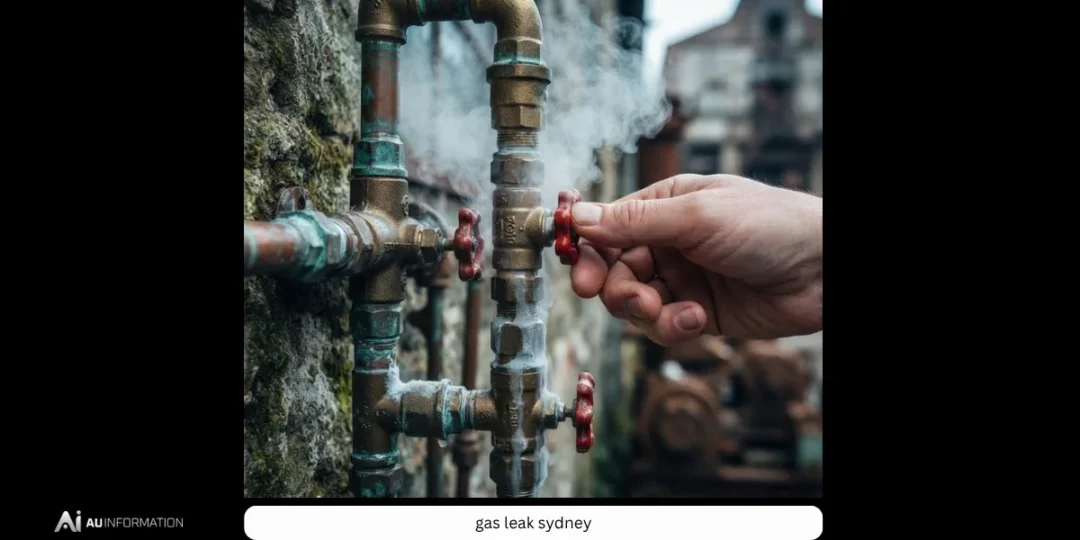
A gas leak in Sydney can quickly become a life-threatening emergency, especially when dangerous gases accumulate inside enclosed spaces. One of the most serious recent incidents occurred at a restaurant in Riverstone, north-west Sydney, where a suspected gas leak resulted in the death of a young man and exposed emergency responders to a potentially deadly hazard.
The incident at Haveli Restaurant highlighted a danger that many people underestimate: carbon monoxide poisoning. Unlike natural gas, which may have a noticeable smell due to added odorants, carbon monoxide is colourless, odourless and impossible to detect without specialised equipment.
The tragedy raised important questions about workplace safety, gas appliance maintenance, ventilation standards and the risks faced by emergency workers responding to hazardous situations.
What Happened During the Sydney Gas Leak Incident?
The incident occurred at Haveli Restaurant in Riverstone, located in Sydney’s north-west.
Emergency services were called after a 25-year-old man was found unconscious inside the premises. When firefighters and emergency responders entered the building, they detected extremely high levels of carbon monoxide.
The situation quickly became a hazardous materials emergency, requiring specialised assessment and safety procedures.
The incident involved:
- A suspected gas leak inside the restaurant
- A young man found unconscious
- Emergency responders exposed to dangerous conditions
- Several people requiring medical attention
- A major investigation into the cause of the leak
Five police officers who entered the building during the rescue attempt were also exposed and later received medical treatment.
The event demonstrated how quickly an apparently normal workplace environment can become dangerous when toxic gases build up indoors.
Understanding the Danger of Carbon Monoxide
Carbon monoxide is one of the most dangerous gases because people cannot easily detect it.
It is produced when fuels such as gas, petrol, wood or other carbon-based materials do not burn completely.
Common sources include:
- Faulty gas appliances
- Poorly maintained heaters
- Blocked ventilation systems
- Indoor use of fuel-burning equipment
- Faulty exhaust systems
When carbon monoxide enters the bloodstream, it reduces the body’s ability to carry oxygen.
This can lead to:
- Headaches
- Dizziness
- Nausea
- Confusion
- Loss of consciousness
- Death in severe cases
The danger is increased in enclosed areas because the gas can accumulate without warning.
Why Restaurants and Workplaces Face Gas Risks
Restaurants often rely on gas-powered equipment for cooking, heating and food preparation. This makes gas safety a critical responsibility for hospitality businesses.
Potential risks include:
- Faulty gas connections
- Poor ventilation
- Damaged appliances
- Incorrect installation
- Lack of regular inspections
Commercial kitchens typically contain multiple gas appliances operating for long periods, meaning even a small problem can become serious if not detected early.
Business owners have a responsibility to ensure:
- Equipment is professionally installed
- Appliances are regularly maintained
- Staff understand emergency procedures
- Ventilation systems operate correctly
A safe workplace depends on prevention rather than reacting after an incident occurs.
Emergency Response: The Challenges Faced by First Responders
The Riverstone incident also highlighted the risks faced by emergency workers.
Police officers and firefighters often enter dangerous environments to rescue others, sometimes without knowing the full extent of the hazard.
In this case, responders were exposed while attempting to assist the person inside the building.
Fire and Rescue NSW used specialised equipment to identify the dangerous atmosphere and assess the level of contamination.
Emergency responses to gas incidents often involve:
- Securing the area
- Identifying the type of gas involved
- Measuring gas levels
- Removing people from danger
- Ventilating the area
- Investigating the source
These procedures are designed to protect both victims and emergency personnel.
The Importance of Carbon Monoxide Awareness
Many people associate gas leaks only with the smell of natural gas. However, carbon monoxide creates a different type of threat.
Because it cannot be seen or smelled, prevention is essential.
Important safety measures include:
- Installing carbon monoxide alarms
- Checking gas appliances regularly
- Maintaining ventilation systems
- Never ignoring unusual symptoms
- Seeking professional inspections
Carbon monoxide alarms can provide an early warning before dangerous levels develop.
They are particularly important in:
- Homes with gas heaters
- Restaurants
- Commercial kitchens
- Garages
- Workshops
- Enclosed workplaces
Common Mistakes That Increase Gas Leak Risks
Many gas-related incidents occur because of preventable mistakes.
Ignoring Appliance Maintenance
Gas appliances should be inspected regularly by qualified professionals. Small faults can develop into major hazards.
Poor Ventilation
Adequate airflow is essential when using gas equipment. Blocking vents or reducing ventilation can allow dangerous gases to accumulate.
Attempting DIY Repairs
Gas systems should never be repaired by unqualified individuals.
Incorrect repairs can create leaks and increase risks.
Ignoring Warning Signs
Possible signs of gas or carbon monoxide problems include:
- Unusual smells
- Appliance malfunction
- Yellow flames instead of blue flames
- Headaches or dizziness among occupants
- Unexplained illness indoors
Early action can prevent serious outcomes.
Workplace Safety Lessons From the Sydney Incident
The Riverstone tragedy provides important lessons for businesses and the community.
Organisations using gas equipment should prioritise:
Regular Safety Checks
Professional inspections can identify problems before they become dangerous.
Staff Training
Employees should know:
- How to recognise hazards
- Emergency evacuation procedures
- Who to contact during an incident
Emergency Planning
Businesses should have clear procedures for shutting down equipment and protecting customers and workers.
Professional Compliance
Following Australian safety standards is essential for reducing risks.
How Similar Incidents Can Be Prevented
Preventing gas-related tragedies requires cooperation between individuals, businesses and authorities.
Key prevention strategies include:
- Regular maintenance of gas appliances
- Installation of carbon monoxide detectors
- Proper ventilation design
- Professional gas inspections
- Public awareness campaigns
- Strong workplace safety practices
Safety should be treated as an ongoing responsibility rather than a one-time requirement.
The Broader Importance of Gas Safety in Sydney
Sydney continues to grow, with thousands of homes, restaurants and businesses relying on gas systems every day.
While gas remains an important energy source, it must be managed responsibly.
The Riverstone incident serves as a reminder that modern safety systems, inspections and awareness are essential.
Technology continues to improve gas safety through:
- Better detection equipment
- Smart monitoring systems
- Improved appliance designs
- Advanced emergency response tools
However, technology is most effective when combined with proper maintenance and human awareness.
Conclusion
The Sydney gas leak tragedy at Riverstone was a devastating reminder of the dangers posed by carbon monoxide and gas-related hazards.
The incident highlighted the bravery of emergency responders, the importance of workplace safety and the need for greater public awareness about invisible dangers.
Gas systems are generally safe when properly installed and maintained, but neglecting safety procedures can have serious consequences.
The most important lesson is simple: prevention saves lives. Regular inspections, proper ventilation, carbon monoxide detection and responsible safety practices can help protect homes, workplaces and communities across Sydney.



No Comments