
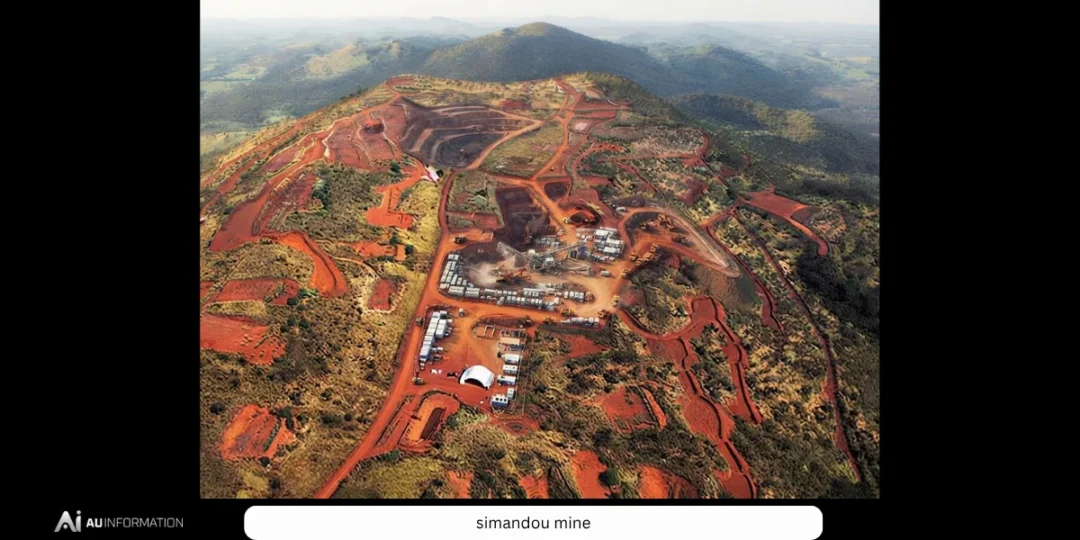
Deep in the mountains of southeastern Guinea lies one of the most ambitious mining projects in the world: the Simandou Mine. Often described as one of the largest untapped iron ore deposits on Earth, Simandou has the potential to reshape global steel supply chains, transform Guinea’s economy and challenge the long-standing dominance of major iron ore exporters such as Australia and Brazil.
The project is not simply a mining operation. It is a massive economic and infrastructure development involving mines, railways, ports, international investors and complex political agreements. After decades of delays caused by ownership disputes, financing challenges and regulatory issues, Simandou has entered a new era of development.
With enormous reserves of high-grade iron ore, Simandou has attracted global attention from mining giants, governments and steel producers. Its success or failure could influence the future of the global mining industry.
What Is the Simandou Mine?
The Simandou Mine is a large-scale iron ore project located in the Simandou mountain range of southeastern Guinea, West Africa.
The deposit is considered one of the most valuable iron ore resources ever discovered because of its:
- Massive reserves
- Exceptionally high iron content
- Strategic importance for global steel production
Estimates suggest that Simandou contains more than 2 billion tonnes of iron ore, with ore grades of approximately 65% iron. This high quality makes it attractive because higher-grade ore can improve steel production efficiency and reduce emissions compared with lower-grade materials.
The project is divided into different mining areas, mainly known as:
- Blocks 1 and 2
- Blocks 3 and 4
Different international companies are involved in developing these sections.
Why Simandou Is Important for Global Iron Ore Markets
Iron ore is one of the world’s most important industrial commodities because it is the primary raw material used to produce steel.
Steel is essential for:
- Buildings
- Bridges
- Railways
- Vehicles
- Renewable energy infrastructure
- Manufacturing industries
Currently, global iron ore supply is dominated by countries such as:
- Australia
- Brazil
Australia, particularly Western Australia’s Pilbara region, has been one of the world’s leading iron ore exporters for decades.
Simandou could introduce a major new source of supply, potentially changing global market dynamics.
The project could provide steel producers, especially China, with another major source of high-quality iron ore.
The Companies Behind Simandou
The development of Simandou involves a complex partnership between international companies and the Guinean government.
Major participants include:
Rio Tinto
Global mining company Rio Tinto has been connected with Simandou for many years and has played a major role in developing parts of the project.
Rio Tinto’s involvement reflects the scale and importance of the deposit, as the company has extensive experience operating major mining projects worldwide.
Chinalco
Chinese state-owned company Chinalco has also been involved in the project.
China is the world’s largest steel producer, making access to reliable iron ore supplies strategically important.
Winning Consortium Simandou (WCS)
The Winning Consortium Simandou is another major participant involved in developing parts of the project.
The consortium represents significant Chinese and international investment in Guinea’s mining sector.
Government of Guinea
The Guinean government has maintained a central role in negotiations, ownership arrangements and ensuring that the country receives economic benefits from the resource.
The Infrastructure Challenge
One of the biggest challenges of Simandou is its remote location.
The mine sits in mountainous terrain far from the coast, meaning enormous infrastructure investment is required.
The project requires:
- More than 600 kilometres of railway
- A deep-water export port
- Roads and supporting infrastructure
- Energy and logistics systems
Building this infrastructure is considered one of the largest construction challenges in Africa.
The railway will be especially important because iron ore is extremely heavy and requires efficient transportation from the mine site to international shipping routes.
Economic Impact on Guinea
For Guinea, Simandou represents a potential economic transformation.
Guinea is already known as one of the world’s largest producers of bauxite, but Simandou could significantly expand its mining economy.
Potential benefits include:
- Thousands of jobs
- Increased government revenue
- Infrastructure development
- Foreign investment
- Growth of supporting industries
The project has been described as a possible turning point for Guinea’s economic future.
However, resource-rich countries often face challenges ensuring that mining wealth benefits the wider population. Effective governance, transparency and responsible investment will be essential.
Environmental and Social Concerns
Large mining projects can create significant environmental and social challenges.
Potential concerns around Simandou include:
- Impact on forests and biodiversity
- Land access issues
- Community displacement risks
- Water management challenges
- Carbon emissions from mining operations
The Simandou region contains important ecosystems, meaning environmental management will be a critical part of the project’s long-term success.
Modern mining companies are increasingly expected to follow stricter environmental standards, including:
- Reducing emissions
- Protecting local ecosystems
- Supporting affected communities
- Restoring land after mining activities
Why Simandou Has Taken Decades to Develop
Despite being discovered decades ago, Simandou has experienced repeated delays.
Major obstacles included:
Ownership Disputes
Different companies and governments have been involved in long negotiations over mining rights and ownership structures.
Political Challenges
Changes in Guinea’s political environment affected investor confidence and project timelines.
Infrastructure Costs
Developing a mine in a remote mountain region requires billions of dollars in investment before any iron ore can be exported.
Corruption Allegations
The project has faced allegations and investigations related to mining rights and transparency issues.
These challenges contributed to Simandou becoming one of the world’s most discussed unfinished mining projects.
The Future of Simandou Mine
The future of Simandou could have major implications for global mining.
If successfully completed, the project could:
- Increase global iron ore supply
- Create competition among exporters
- Strengthen Guinea’s economy
- Provide China with additional supply options
- Influence iron ore prices
The project may also become an example of how large-scale mining can contribute to economic development when combined with responsible environmental and social practices.
Lessons for the Global Mining Industry
Simandou offers several important lessons for future resource projects.
Successful mining developments require:
- Long-term government stability
- Transparent agreements
- Strong infrastructure planning
- Community engagement
- Environmental responsibility
A valuable mineral deposit alone is not enough. The ability to manage complex partnerships and build supporting systems determines whether a project succeeds.
Conclusion
The Simandou Mine is far more than an iron ore project. It represents one of the biggest attempts to develop a new mining region capable of influencing global commodity markets.
With billions of tonnes of high-grade iron ore, major international investors and massive infrastructure plans, Simandou has the potential to become one of the defining mining projects of the 21st century.
However, its ultimate success will depend on overcoming decades of challenges, managing environmental responsibilities and ensuring that Guinea receives lasting benefits from its natural resources.
If completed successfully, Simandou could transform Guinea into a major player in the global mining industry and permanently change the future of iron ore supply.




No Comments