
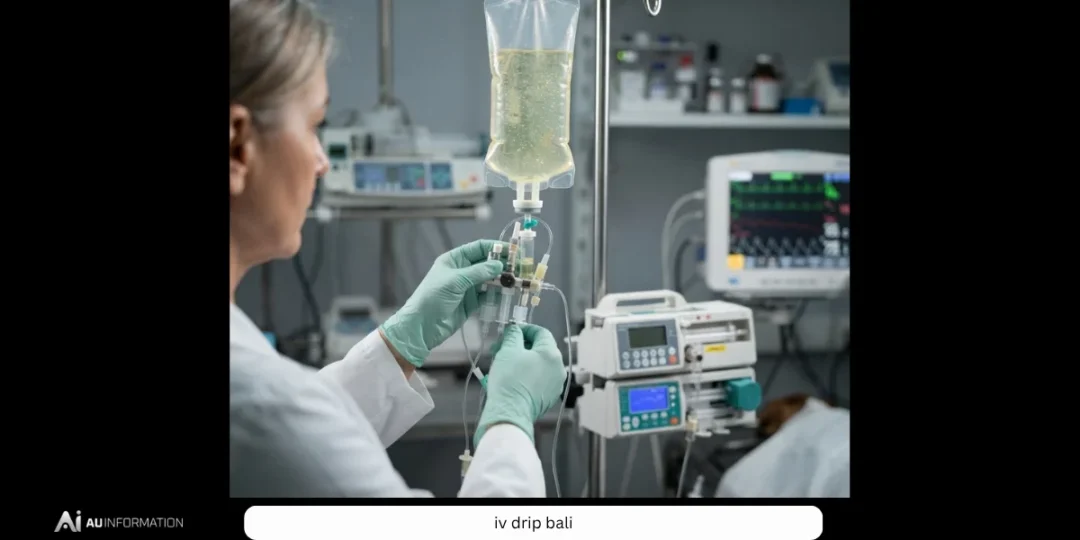
Bali has long been recognised as one of the world’s leading wellness destinations, attracting visitors searching for relaxation, health treatments and lifestyle experiences. In recent years, a new trend has become increasingly popular among tourists: IV drip therapy in Bali.
From luxury villas in Seminyak to wellness clinics in Canggu and Nusa Dua, IV drip services have become part of Bali’s expanding medical tourism industry. These treatments are promoted for hydration, recovery, vitamin support, fatigue reduction and post-travel wellness.
The concept is simple: fluids, electrolytes, vitamins and other nutrients are delivered directly into the bloodstream through an intravenous (IV) line. Supporters claim this method can provide faster hydration and nutrient delivery compared with traditional oral supplements.
However, while IV therapy has legitimate medical uses, travellers should understand that it is not a miracle treatment. The quality of care, qualifications of providers and suitability of treatment are important factors that determine whether an IV drip experience is safe and beneficial.
Why IV Drip Therapy Became Popular in Bali
Bali attracts millions of international visitors every year, creating demand for convenient health and wellness services.
Tourists often seek IV drips for situations such as:
- Dehydration after long flights
- Recovery after outdoor activities
- Fatigue caused by travel schedules
- Jet lag
- “Bali belly” or digestive illness recovery
- Hangover relief
- General wellness support
The island’s reputation as a wellness destination has helped IV therapy become part of the broader tourism experience.
Many visitors now combine traditional Balinese spa treatments, yoga retreats and healthy lifestyle programs with modern medical wellness services.
What Is an IV Drip?
An IV drip is a medical treatment where fluids are delivered directly into a person’s vein through a small catheter.
A typical IV infusion may contain:
- Sterile fluids
- Electrolytes
- Vitamins
- Minerals
- Other medically approved ingredients
Because the substances enter the bloodstream directly, absorption can be faster compared with consuming supplements orally.
IV therapy is commonly used in hospitals for genuine medical reasons, including:
- Severe dehydration
- Fluid replacement
- Nutritional deficiencies
- Certain medical treatments
In wellness clinics, however, IV drips are often marketed for lifestyle purposes such as energy boosts or recovery.
Popular IV Drip Treatments in Bali
Bali clinics offer a wide range of IV packages designed for different traveller needs.
Hydration Drips
Hydration therapy is one of the most common treatments requested by tourists.
These drips are usually marketed for:
- Replacing fluids after travel
- Recovering from heat exposure
- Supporting hydration after exercise
They are particularly popular among visitors spending time outdoors in Bali’s tropical climate.
Hangover Recovery Drips
Some clinics advertise IV treatments designed for people recovering after alcohol consumption.
These packages often focus on:
- Fluid replacement
- Electrolytes
- Vitamins
However, it is important to understand that IV therapy does not instantly remove alcohol from the body. The liver still needs time to process alcohol naturally.
Vitamin Infusions
Vitamin-based IV treatments are commonly promoted for:
- General wellness
- Immune support
- Energy improvement
- Skin health
Examples include vitamin C and B-vitamin combinations.
While some people may benefit from correcting specific deficiencies, healthy individuals do not always require high-dose vitamin infusions.
Travel Recovery Packages
Many Bali providers create packages specifically for tourists experiencing:
- Jet lag
- Long flights
- Exhaustion
- Busy holiday schedules
These treatments are often positioned as a way to quickly return to enjoying a holiday.
Where Can Tourists Access IV Drips in Bali?
IV drip services are available throughout popular tourist areas, including:
- Seminyak
- Canggu
- Kuta
- Uluwatu
- Nusa Dua
A growing number of providers also offer mobile services where healthcare professionals visit:
- Hotels
- Private villas
- Resorts
This convenience has contributed significantly to the popularity of IV therapy among international travellers.
However, convenience should never replace medical standards. A professional service should still follow proper healthcare procedures regardless of whether treatment occurs in a clinic or accommodation setting.
Safety Considerations Before Getting an IV Drip
Although IV therapy can be safe when performed correctly, it involves medical procedures and should not be treated like a regular spa treatment.
Travellers should consider several important safety factors.
Choose Qualified Medical Providers
A reputable IV drip service should have:
- Qualified medical staff
- Proper licensing
- Sterile equipment
- Clear information about ingredients
- Medical consultation before treatment
Avoid providers that offer treatments without checking medical history or explaining possible risks.
Understand Possible Risks
Potential risks include:
- Infection from improper equipment
- Allergic reactions
- Incorrect dosage
- Fluid imbalance
- Vein irritation
The risk level depends heavily on the quality of the provider and the individual’s health condition.
Be Honest About Medical History
Before receiving an IV drip, travellers should disclose:
- Existing medical conditions
- Allergies
- Medications
- Pregnancy status
- Kidney or heart problems
This information helps healthcare professionals determine whether treatment is appropriate.
Common Mistakes Tourists Make
Many visitors are attracted by the promise of instant recovery, but there are several mistakes to avoid.
Assuming IV Therapy Fixes Everything
An IV drip cannot replace:
- Proper sleep
- Balanced nutrition
- Safe drinking habits
- Medical treatment when needed
It should be viewed as a supportive therapy, not a replacement for healthy behaviour.
Choosing Only Based on Price
Cheap treatments may not always provide safe medical standards.
Travellers should prioritise:
- Provider reputation
- Healthcare qualifications
- Hygiene standards
Ignoring Symptoms That Need Medical Attention
Serious symptoms such as severe dehydration, persistent vomiting or high fever may require proper medical assessment rather than a wellness drip.
The Growth of Bali’s Medical Tourism Industry
IV drip therapy is part of a larger trend: the growth of medical and wellness tourism in Bali.
Visitors increasingly seek services that combine travel with health improvement.
Popular wellness sectors include:
- Preventive health treatments
- Cosmetic procedures
- Rehabilitation programs
- Fitness retreats
- Traditional wellness experiences
Bali’s combination of international tourism, luxury accommodation and wellness culture has created strong demand for these services.
Future of IV Drip Services in Bali
The IV therapy industry in Bali is likely to continue growing as wellness tourism expands.
Future trends may include:
- More specialised treatment packages
- Stronger medical regulations
- Greater focus on personalised healthcare
- Integration with luxury travel experiences
However, long-term success will depend on maintaining professional healthcare standards and ensuring treatments are based on responsible medical practice.
Is IV Drip Bali Worth It?
Whether an IV drip in Bali is worthwhile depends on individual circumstances.
For someone experiencing dehydration or needing medical fluid replacement, IV therapy may provide meaningful benefits when performed by qualified professionals.
For healthy travellers seeking a quick energy boost, results may vary and expectations should remain realistic.
The most important factors are:
- Choosing a trustworthy provider
- Understanding what the treatment can and cannot do
- Prioritising safety over convenience
Conclusion
IV drip Bali represents the growing connection between modern healthcare and luxury wellness tourism. The treatment has become popular among travellers looking for hydration, recovery and wellness support during their island holidays.
While IV therapy can be useful in appropriate situations, it should always be approached as a medical procedure rather than simply a beauty or lifestyle service.
For visitors considering an IV drip in Bali, the best approach is informed decision-making: choose qualified professionals, understand the treatment, and focus on safe, responsible healthcare. As Bali’s wellness industry continues to expand, medical quality and patient safety will remain the key factors shaping its future.




No Comments