
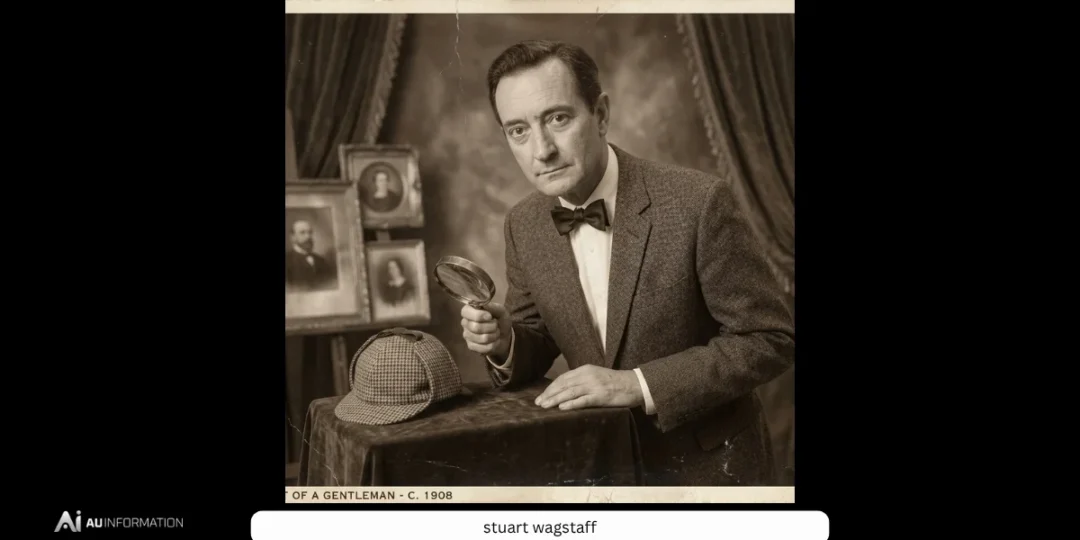
Introduction: The Entertainer Who Became an Australian Icon
Stuart Wagstaff was one of the most recognisable and respected entertainers in Australian history. With his distinctive charm, quick wit, and remarkable versatility, he became a familiar face across theatre, television, film, and charity events for more than five decades.
Although born in England, Wagstaff became deeply connected with Australian culture after moving to the country in 1958. Over the years, he transformed from a talented British performer into a national entertainment figure, earning affection from audiences across generations.
From his acclaimed stage performance as Professor Henry Higgins in My Fair Lady to his long-running role as host of Beauty and the Beast, Stuart Wagstaff represented an era when television personalities became trusted household names.
Beyond entertainment, he was also admired for his generosity and commitment to charitable causes, particularly through his involvement with the Channel Seven Perth Telethon, where he helped raise millions of dollars for children’s medical research.
His career remains an important chapter in Australian entertainment history — a story of talent, dedication, and a performer who made Australia his home.
Early Life and Journey to Australia
Stuart Wagstaff was born in England in 1925. Before becoming famous in Australia, he developed his skills as a performer through theatre and entertainment work in Britain.
His early career helped him build the foundation for the qualities that later made him successful:
- Strong stage presence
- Excellent communication skills
- Natural humour
- Ability to connect with audiences
In 1958, Wagstaff moved to Australia, a decision that would completely change the direction of his career.
At the time, Australian television and theatre were still developing, creating opportunities for talented performers who could bring experience and professionalism to the growing entertainment industry.
Wagstaff quickly became involved in Australian theatre and began establishing himself as a respected performer.
Theatre Success and the Role That Made Him Famous
One of Stuart Wagstaff’s greatest achievements came through theatre, particularly his performance in the famous musical My Fair Lady.
Playing the role of Professor Henry Higgins, Wagstaff demonstrated his ability to handle complex characters while combining drama, humour, and musical performance.
The production was highly successful and helped introduce him to a wider Australian audience.
His theatre career showed that he was more than a television personality. He was a skilled performer with experience across different entertainment formats.
Important aspects of his theatre success included:
- Professional stage experience
- Strong acting ability
- Musical performance skills
- Ability to engage live audiences
The discipline gained from theatre became one of the foundations of his later television success.
Stuart Wagstaff’s Rise as a Television Personality
As Australian television expanded, Stuart Wagstaff became one of its most recognisable presenters.
His personality made him especially suited to television. He had a warm, conversational style that allowed audiences to feel connected with him.
He became associated with several popular programs, including:
- Beauty and the Beast
- Stuart Wagstaff’s World Playhouse
- Blankety Blanks
- Celebrity Squares
His hosting style was built around humour, intelligence, and genuine interaction with guests.
Unlike some entertainers who became famous for a single role, Wagstaff maintained a long career because he could adapt to different formats.
He was equally comfortable with:
- Comedy programs
- Interview shows
- Variety entertainment
- Live events
This versatility helped him remain relevant throughout changing eras of Australian television.
The Success of Beauty and the Beast
One of Stuart Wagstaff’s most memorable television roles was hosting Beauty and the Beast.
The program became popular because of its unique combination of celebrity discussion, humour, and audience interaction.
Wagstaff’s role as host allowed him to showcase some of his greatest strengths:
- Quick thinking
- Natural conversation skills
- Comedic timing
- Ability to manage different personalities
The success of the show helped strengthen his reputation as one of Australia’s favourite television personalities.
For many viewers, Wagstaff was not just a presenter — he was a familiar and trusted presence in Australian homes.
Charity Work and the Perth Telethon Legacy
While Stuart Wagstaff was celebrated for entertainment, his contribution to charity became an equally important part of his legacy.
He became strongly associated with the Channel Seven Perth Telethon, one of Australia’s most successful fundraising events.
Through his involvement, Wagstaff helped support fundraising efforts for children’s medical research and other important causes.
His charity work demonstrated qualities beyond his performance career:
- Compassion
- Community commitment
- Willingness to use his fame for positive change
Many entertainers become remembered for their professional achievements, but Wagstaff’s generosity helped create a deeper connection with the Australian public.
His work showed how public figures can use their influence to support meaningful causes.
Recognition and Awards
Throughout his career, Stuart Wagstaff received widespread recognition for his contribution to Australian entertainment.
In 1998, he was appointed a Member of the Order of Australia (AM) for his services to entertainment and charity.
The honour recognised not only his professional achievements but also his impact on Australian society.
His career represented several important contributions:
- Helping shape early Australian television culture
- Bringing international theatre experience to Australia
- Supporting charitable initiatives
- Entertaining generations of viewers
Lessons From Stuart Wagstaff’s Career
Stuart Wagstaff’s journey offers valuable lessons for performers and professionals in any industry.
1. Adaptability Creates Long-Term Success
Wagstaff succeeded because he was able to move between theatre, television, film, and live events.
Modern professionals can learn from this by developing multiple skills rather than depending on one area of expertise.
2. Authentic Connection Matters
Audiences remember people who feel genuine.
Wagstaff’s success came from his ability to make people feel comfortable and included.
3. Use Success to Create Positive Impact
His charity work showed that public recognition can be used to support important community causes.
Common Challenges Faced by Entertainers
The entertainment industry is highly competitive, and many performers struggle to maintain long-term careers.
Common challenges include:
Staying Relevant
Entertainment trends change constantly, requiring performers to adapt.
Building Audience Trust
Long-lasting careers depend on genuine relationships with audiences.
Managing Public Pressure
Being constantly visible can create personal and professional challenges.
Stuart Wagstaff’s career demonstrates how professionalism, versatility, and authenticity can overcome these challenges.
Stuart Wagstaff’s Final Years and Legacy
Stuart Wagstaff passed away in 2015 at the age of 90.
His death marked the end of an extraordinary career that had influenced Australian entertainment for more than fifty years.
However, his legacy continues through the programs he hosted, the performers he inspired, and the charitable causes he supported.
He remains remembered as:
- A talented performer
- A beloved television personality
- A generous community supporter
- An important figure in Australian cultural history
His career represents an era when entertainers built deep connections with audiences through personality, talent, and genuine warmth.
Conclusion: Remembering Stuart Wagstaff’s Remarkable Contribution
Stuart Wagstaff was far more than a television presenter. He was a performer who helped shape Australian entertainment and became one of the country’s most admired personalities.
From his beginnings in England to his transformation into an Australian icon, his journey demonstrated the power of talent, adaptability, and dedication.
His success in theatre, television, and charity work created a legacy that continues to inspire. Whether audiences remember him from My Fair Lady, Beauty and the Beast, or his charity appearances, Stuart Wagstaff remains a symbol of a golden era of Australian entertainment.
His greatest achievement was not only entertaining millions — it was becoming a beloved part of Australian life.




No Comments