
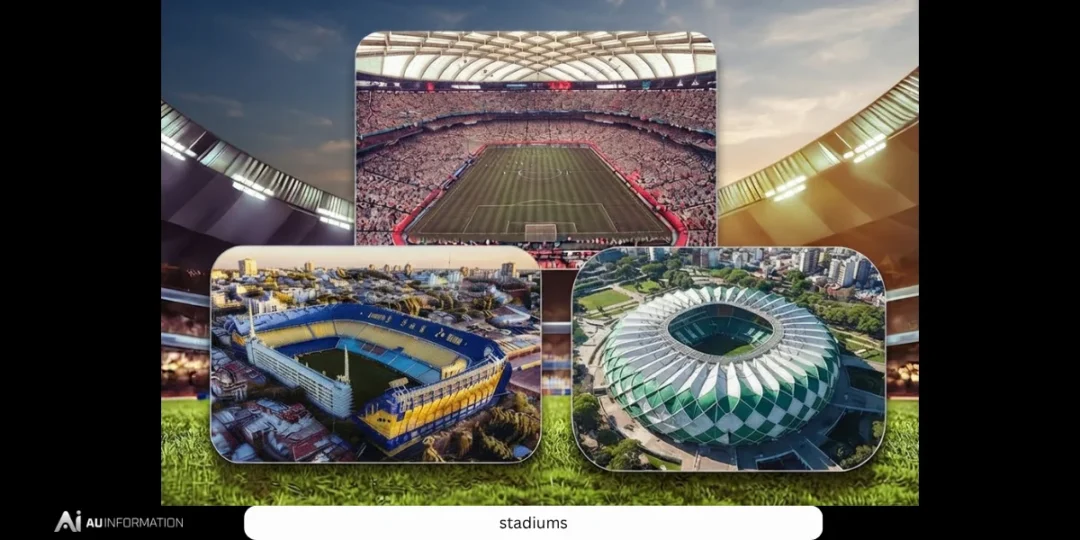
Introduction: More Than Just Places to Watch Sport
Stadiums are among the most recognisable structures in modern cities. They are places where millions of people gather to experience unforgettable sporting moments, concerts, cultural celebrations and major public events. From the roar of a football crowd to the atmosphere of an international concert, stadiums create shared experiences that connect people across generations.
A stadium is no longer simply a field surrounded by seats. Modern venues have become sophisticated entertainment destinations combining architecture, technology, hospitality and community spaces. They represent the identity of cities, attract international visitors and contribute significantly to local economies.
Some stadiums are famous because of their history, others because of their incredible designs, and some because they have hosted moments that changed the world of sport forever. From the historic Melbourne Cricket Ground (MCG) in Australia to the futuristic SoFi Stadium in the United States, these venues represent the evolution of human creativity and entertainment.
What Is a Stadium and Why Are They Important?
A stadium is a large venue designed to host sporting competitions, concerts and major gatherings. Unlike simple playing fields, stadiums are built with extensive facilities to improve the experience for spectators, athletes and event organisers.
Modern stadiums usually include:
- Large seating areas
- Sports fields or performance stages
- Hospitality lounges
- Media and broadcasting facilities
- Food and beverage areas
- Digital ticketing systems
- Security and crowd management technology
Stadiums play an important role beyond entertainment. They support:
- Tourism growth
- Local businesses
- Employment opportunities
- Urban development
- Community activities
A major stadium can become a symbol of a city, attracting visitors from around the world.
The World’s Most Famous Stadiums
Throughout history, certain stadiums have achieved legendary status because of their architecture, sporting history and cultural importance.
Melbourne Cricket Ground (MCG), Australia
The Melbourne Cricket Ground, commonly known as the MCG, is one of the world’s most famous sporting venues.
Located in Melbourne, Australia, the MCG has hosted some of the biggest events in cricket and Australian rules football. It is deeply connected with Australian sporting culture and has a seating capacity of more than 100,000 spectators.
The stadium is famous for:
- International cricket matches
- Australian Football League (AFL) grand finals
- Olympic events
- Historic sporting moments
Beyond sport, the MCG represents Melbourne’s identity as a city passionate about major events.
Wembley Stadium, England
Located in London, Wembley Stadium is one of football’s most iconic venues.
Known for its famous arch and historic importance, Wembley hosts major football matches, including England national team games and important cup finals.
The stadium represents the global popularity of football and remains one of the most recognisable sporting landmarks in the world.
Camp Nou, Spain
The home of FC Barcelona, Camp Nou has been one of Europe’s most famous football stadiums.
Known for its passionate atmosphere and enormous crowds, the venue has witnessed some of football’s greatest players and moments.
For supporters, stadiums like Camp Nou are more than buildings; they represent history, loyalty and community identity.
SoFi Stadium, United States
SoFi Stadium in Los Angeles represents the future of stadium design.
Opened in 2020, it combines advanced technology with a unique architectural design. The venue includes a massive video board, premium hospitality spaces and features designed for multiple types of events.
It demonstrates how modern stadiums are becoming entertainment complexes rather than traditional sports grounds.
Australia’s Leading Stadiums
Australia has developed some of the world’s most impressive sporting venues.
Accor Stadium Sydney
Located in Sydney Olympic Park, Accor Stadium is one of Australia’s largest stadiums. It was originally built for the 2000 Sydney Olympic Games and continues to host major sporting events and concerts.
The venue has welcomed:
- Rugby league matches
- Football events
- International concerts
- Major community celebrations
Optus Stadium Perth
Optus Stadium is recognised for its modern design, technology and fan experience.
Opened in 2018, it features:
- Advanced seating design
- Premium hospitality areas
- Digital technology
- Sustainable features
The stadium has helped transform Perth’s entertainment landscape.
Adelaide Oval
Adelaide Oval is famous for combining historic character with modern facilities. It is one of the world’s most beautiful cricket grounds, offering spectacular views and a unique atmosphere.
Marvel Stadium Melbourne
Marvel Stadium is a major multi-purpose venue located in Melbourne’s Docklands precinct.
It hosts:
- AFL matches
- Concerts
- Entertainment events
- Corporate functions
Its retractable roof allows events to continue regardless of weather conditions.
How Stadium Architecture Has Changed
Stadium design has changed dramatically over time. Older stadiums focused mainly on seating capacity, while modern designs prioritise comfort, technology and flexibility.
Today’s stadium architects consider:
Fan Experience
Modern visitors expect more than watching an event. They want:
- Comfortable seating
- Fast food services
- Digital access
- Interactive experiences
Technology Integration
Technology has transformed stadium operations through:
- Mobile ticketing
- Smart security systems
- High-speed internet
- Giant digital displays
- Virtual experiences
Sustainability
Environmental responsibility has become a major focus.
Modern stadiums increasingly include:
- Solar energy systems
- Water-saving technology
- Recycling programs
- Energy-efficient designs
Stadiums as Economic Drivers
Large stadiums can have a significant impact on local economies.
When thousands of visitors attend events, they support:
- Hotels
- Restaurants
- Transport services
- Retail businesses
- Local tourism
Major sporting events can generate millions of dollars for cities while creating international exposure.
For example, hosting Olympic Games, World Cups or major finals often leads to infrastructure improvements and increased tourism.
Common Mistakes in Stadium Development
Building a successful stadium requires careful planning. Some common mistakes include:
Focusing Only on Capacity
A bigger stadium is not always better. Modern venues must prioritise comfort, accessibility and experience.
Ignoring Transport Planning
Large crowds require efficient transport systems. Poor planning can create congestion and reduce visitor satisfaction.
Neglecting Community Needs
Stadiums should benefit local communities, not only major event organisers.
The Future of Stadiums
The next generation of stadiums will become even smarter, greener and more interactive.
Future trends include:
Smart Stadium Technology
Artificial intelligence and digital systems will improve:
- Crowd management
- Personalised experiences
- Security
- Event operations
Mixed-Use Stadium Developments
Many future stadiums will include:
- Restaurants
- Shopping areas
- Hotels
- Community spaces
This allows venues to operate beyond event days.
Virtual and Augmented Reality
New technologies may allow fans to experience events in completely new ways, both inside and outside stadiums.
Conclusion: Stadiums Are Symbols of Human Connection
Stadiums are much more than sports venues. They are places where history is created, communities come together and unforgettable moments are shared.
From historic grounds like the MCG and Wembley Stadium to futuristic venues like SoFi Stadium, these arenas represent the relationship between sport, architecture and entertainment.
As technology and sustainability continue to influence design, the stadiums of the future will become smarter, more immersive and more connected to the communities around them.
Whether hosting a championship final, a global concert or a cultural celebration, stadiums will continue to remain some of the most important gathering places in modern society.



No Comments