
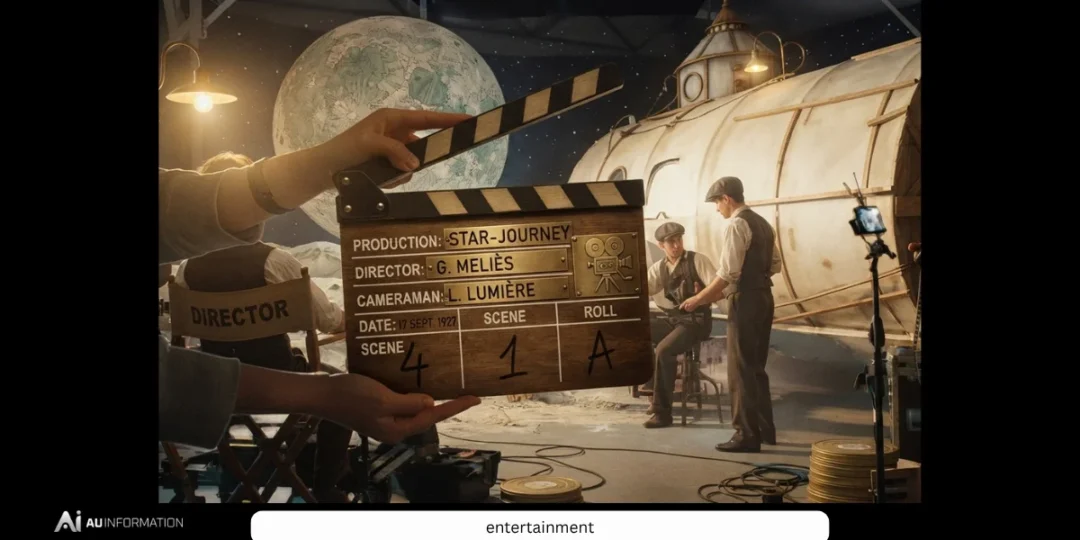
Entertainment has always been one of humanity’s most powerful forms of connection. From ancient theatre performances and traditional storytelling to modern streaming platforms and interactive gaming worlds, entertainment reflects culture, technology and the way people experience emotions. It provides relaxation, inspiration, education and a shared experience that brings audiences together across countries and generations.
Today, the entertainment industry is undergoing one of the biggest transformations in its history. Digital platforms, artificial intelligence, social media and changing audience habits have completely reshaped how movies, music, television shows, games and celebrity content are created and consumed.
What was once controlled mainly by large studios, television networks and record companies has become a global ecosystem where filmmakers, musicians, influencers and independent creators can reach millions of people directly.
What Is the Entertainment Industry?
The entertainment industry includes all businesses and activities designed to create enjoyable and engaging experiences for audiences.
Major sectors include:
- Movies and cinema
- Television and streaming services
- Music production and live concerts
- Gaming and esports
- Theatre and performing arts
- Sports entertainment
- Social media content creation
- Celebrity culture and digital influencers
Each sector has its own audience, business model and creative approach, but they are increasingly connected through digital technology.
For example, a successful movie today is not only released in cinemas. It may also become a streaming series, inspire video games, generate merchandise, create viral social media content and build an international fan community.
The Evolution of Entertainment Through History
Entertainment has continuously adapted to new technologies.
In the early days, entertainment was mainly experienced through live performances such as theatre, music concerts and public events. The invention of radio allowed people to enjoy entertainment from their homes, while television introduced visual storytelling to millions of households.
The arrival of cinema created a global film culture, with Hollywood becoming one of the world’s most influential entertainment industries.
Later developments transformed the industry again:
- Cable television increased content choices.
- Home video allowed people to watch films whenever they wanted.
- The internet introduced digital content.
- Smartphones made entertainment accessible anywhere.
- Streaming platforms changed how audiences consume movies and shows.
Each technological change created new opportunities while forcing traditional businesses to adapt.
Streaming Platforms and the New Era of Entertainment
Streaming has become one of the most influential forces in modern entertainment.
Platforms such as Netflix, Disney+, Amazon Prime Video, YouTube and Spotify have changed audience expectations by offering instant access to massive libraries of content.
Traditional television schedules have declined as viewers increasingly prefer:
- Watching content whenever they choose
- Accessing international shows easily
- Personalised recommendations
- Mobile entertainment experiences
Streaming has also changed the way creators produce content. A series no longer needs only traditional television approval to reach a global audience. Independent filmmakers and smaller production companies can now compete internationally.
However, streaming has also created challenges, including increased competition, rising production costs and the struggle to maintain subscriber growth.
The Rise of Social Media Creators
One of the biggest changes in entertainment has been the emergence of digital creators.
Platforms such as YouTube, TikTok and Instagram have transformed ordinary individuals into global entertainment personalities.
Modern creators produce:
- Comedy videos
- Educational content
- Lifestyle content
- Music performances
- Gaming streams
- Reviews and commentary
Many creators now operate like professional media companies, earning income through advertising, sponsorships, memberships and brand partnerships.
This shift has changed the definition of celebrity. Fame is no longer limited to actors, musicians or television personalities. Online creators can build enormous communities through direct relationships with audiences.
Artificial Intelligence and the Future of Entertainment
Artificial intelligence is becoming one of the most important technologies shaping entertainment.
AI is being used in many areas, including:
Content Creation
AI tools can assist writers, designers, musicians and filmmakers by generating ideas, improving workflows and supporting creative processes.
Visual Effects
Film studios use advanced technology to create realistic environments, digital characters and complex visual effects.
Personalised Recommendations
Streaming platforms use AI algorithms to understand viewer preferences and recommend movies, shows and music.
Advertising and Marketing
AI helps entertainment companies analyse audiences and create targeted promotional campaigns.
However, AI also raises important discussions about creativity, copyright, employment and the role of human artists. The future will likely involve collaboration between human creativity and artificial intelligence rather than complete replacement.
Gaming: The Fastest-Growing Entertainment Sector
Gaming has become one of the largest entertainment industries worldwide.
Modern games are no longer simple recreational activities. They are complex digital experiences combining storytelling, competition, social interaction and technology.
The gaming industry includes:
- Console gaming
- Mobile games
- PC gaming
- Virtual reality experiences
- Esports competitions
Millions of people now watch gaming competitions online, creating a new form of entertainment similar to traditional sports.
Companies are also exploring virtual worlds, augmented reality and immersive experiences that could shape the next generation of entertainment.
Celebrity Culture and Global Fan Communities
Celebrity culture remains a major part of entertainment, but it has changed significantly in the digital era.
Social media allows celebrities to communicate directly with fans, share personal updates and build stronger connections.
Modern celebrity influence extends beyond traditional entertainment into:
- Fashion
- Business
- Social causes
- Digital platforms
- Personal branding
However, constant online visibility also creates challenges, including privacy concerns, public pressure and the rapid spread of misinformation.
Challenges Facing the Entertainment Industry
Although entertainment continues to grow, the industry faces several challenges.
Content Competition
Audiences now have more choices than ever, making it difficult for companies to capture attention.
Changing Revenue Models
Traditional income sources such as cinema tickets and television advertising are being replaced by subscriptions, digital sales and creator-based models.
Copyright and Digital Piracy
Protecting creative content remains a major challenge as digital sharing becomes easier.
Balancing Technology and Creativity
Entertainment companies must use new technology while maintaining originality and emotional storytelling.
Expert Tips for Success in Modern Entertainment
For creators and businesses entering the entertainment industry, several principles remain important:
- Understand your audience – Successful entertainment begins with knowing what people want to experience.
- Focus on quality storytelling – Technology may attract attention, but strong stories create lasting connections.
- Adapt to new platforms – Audiences are constantly moving between different digital channels.
- Build communities – Long-term success comes from loyal audiences, not only short-term popularity.
- Use technology wisely – AI and digital tools should enhance creativity rather than replace authentic human ideas.
The Future of Entertainment
The future of entertainment will likely be defined by greater personalisation, interactive experiences and advanced technology.
Future trends may include:
- AI-assisted filmmaking and music production
- Virtual reality entertainment
- More interactive streaming experiences
- Growth of creator businesses
- Expansion of gaming and esports
- Global collaboration between entertainment markets
Audiences will continue to demand faster access, personalised experiences and content that feels meaningful.
Conclusion
The entertainment industry has always evolved alongside human creativity and technological progress. From cinema screens and concert stages to streaming platforms and social media channels, entertainment continues to redefine how people connect with stories, music and experiences.
The next generation of entertainment will not be shaped by one technology or one company. It will be created through the combination of creativity, innovation and the ability to understand changing audiences.
As artificial intelligence, digital platforms and new forms of storytelling continue to develop, entertainment will remain one of the world’s most influential and dynamic industries.




No Comments