
Blood plays one of the most important roles in maintaining human health, transporting oxygen, supporting immunity and controlling the body’s ability to heal. When something goes wrong within the blood system, the effects can be complex and sometimes life-threatening. This is where specialists in haematology provide essential expertise, combining medical knowledge, advanced diagnostics and personalised treatment approaches.
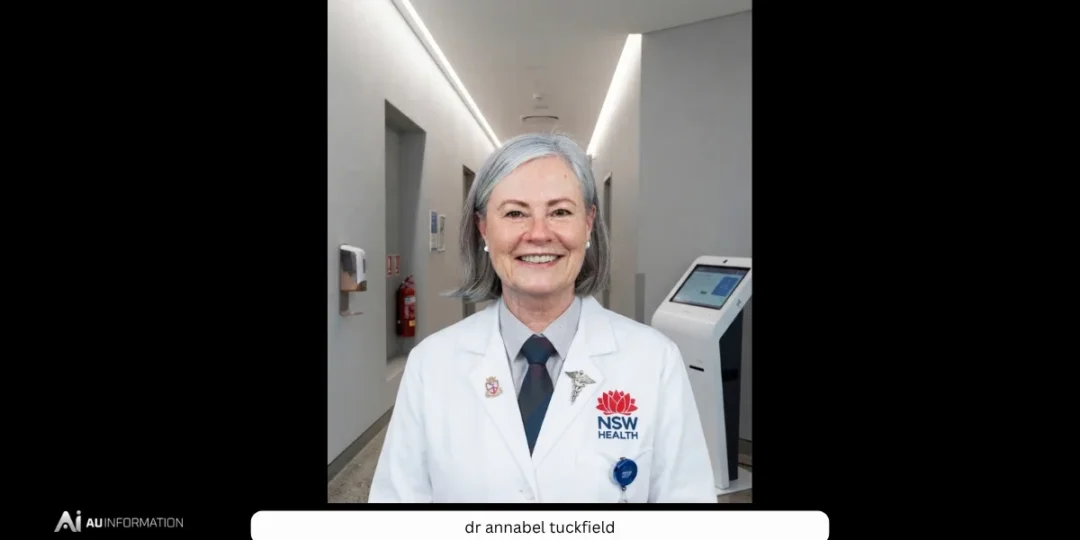
Dr Annabel Tuckfield is an Australian clinical haematologist and general physician based in Melbourne, recognised for her expertise in blood disorders, clotting conditions and complex haematological diseases. Through her clinical practice, research involvement and commitment to medical education, she represents the important role specialist physicians play in improving outcomes for patients with blood-related conditions.
Her work reflects the modern direction of haematology: a field where precision medicine, laboratory science and patient-centred care come together to provide more effective treatments.
Who Is Dr Annabel Tuckfield?
Dr Annabel Tuckfield is a Melbourne-based medical specialist with qualifications including MBBS, FRACP, FRCPA and PhD. She works as a clinical haematologist and general physician, providing care for patients with a wide range of blood disorders.
Her specialist interests include:
- Blood clotting and bleeding disorders
- Thrombosis and haemostasis
- Malignant blood diseases
- Non-malignant haematological conditions
- Complex blood abnormalities requiring specialist assessment
She practises at Epworth Freemasons Hospital in East Melbourne, where specialist medical teams provide advanced diagnostic and treatment services.
Haematologists like Dr Tuckfield play a critical role in diagnosing conditions that may not always be obvious through standard medical examinations. Blood disorders can affect people of all ages and may require detailed laboratory investigations, imaging and long-term management.
Understanding the Role of a Clinical Haematologist
Many people associate haematology only with blood cancers such as leukaemia, but the specialty covers a much broader range of conditions.
A clinical haematologist manages diseases involving:
Red Blood Cells
Red blood cells carry oxygen throughout the body. Disorders affecting these cells can result in:
- Anaemia
- Abnormal blood cell production
- Problems with oxygen delivery
White Blood Cells
White blood cells are essential for immune protection. Problems involving these cells may include:
- Blood cancers
- Immune-related disorders
- Abnormal cell growth
Platelets and Blood Clotting
Platelets and clotting factors help prevent excessive bleeding. Conditions affecting this system can cause:
- Excessive bleeding
- Abnormal clot formation
- Deep vein thrombosis
- Pulmonary embolism
The complexity of these conditions means specialist knowledge is often required for accurate diagnosis and effective treatment.
Expertise in Thrombosis and Haemostasis
One of Dr Tuckfield’s important areas of expertise is haemostasis and thrombosis, the medical field focused on how blood stops bleeding and how abnormal clots develop.
The body requires a careful balance:
- Too little clotting can cause dangerous bleeding.
- Too much clotting can cause harmful blockages in blood vessels.
Thrombosis-related conditions can affect major organs and require careful assessment.
Examples include:
- Deep vein thrombosis (DVT)
- Pulmonary embolism
- Inherited clotting disorders
- Anticoagulation management
Specialists in this area help patients understand their risk factors and develop appropriate treatment strategies.
Research Contributions in Haematology
Modern medicine depends heavily on research, and haematology is one of the fields experiencing rapid scientific progress.
Dr Annabel Tuckfield has contributed to medical research involving areas such as:
- Blood formation pathways
- Haemostasis mechanisms
- Acute myeloid leukaemia (AML)
- Complex haematological diseases
Research in haematology has transformed treatment options over recent decades. Diseases that once had limited treatment choices can now often be managed using more targeted approaches.
Areas of advancement include:
- Precision medicine
- Molecular testing
- Targeted therapies
- Improved diagnostic techniques
- Better understanding of disease biology
Clinicians involved in both research and patient care help translate scientific discoveries into practical medical treatments.
The Importance of Early Diagnosis in Blood Disorders
One of the biggest challenges with blood disorders is that symptoms can sometimes appear general or easily overlooked.
Possible warning signs may include:
- Persistent fatigue
- Unexplained bruising
- Frequent infections
- Unusual bleeding
- Unexplained weight changes
- Persistent swelling or pain associated with possible clotting problems
Early medical assessment can make a significant difference, particularly for conditions requiring timely intervention.
Doctors often use a combination of:
- Blood tests
- Bone marrow investigations
- Imaging
- Genetic analysis
- Specialist assessments
to determine the cause of abnormalities.
The Connection Between Clinical Care and Medical Education
Specialists such as Dr Tuckfield also contribute to the future of medicine through education and training.
Medical education is essential because new generations of doctors must understand:
- Advances in diagnosis
- New treatment options
- Patient communication
- Evidence-based medicine
Teaching allows experienced specialists to share knowledge while helping improve healthcare standards across the medical system.
Advances Transforming Haematology
Haematology has changed dramatically due to improvements in technology and scientific understanding.
Some major developments include:
Precision Medicine
Instead of using identical treatments for every patient, doctors can now analyse individual disease characteristics to create more personalised approaches.
Improved Cancer Treatments
Blood cancers such as AML are increasingly managed through:
- Targeted therapies
- Immunotherapy
- Advanced chemotherapy approaches
- Clinical trials
Better Monitoring Systems
Modern laboratory testing allows doctors to track disease progression and treatment response more accurately.
These developments are helping patients achieve better outcomes and improved quality of life.
Common Misunderstandings About Blood Disorders
Many people misunderstand haematological conditions because symptoms can vary significantly.
Common misconceptions include:
“Blood disorders only affect older people.”
In reality, blood conditions can affect children, young adults and older adults.
“Feeling tired is always normal.”
Persistent fatigue can sometimes indicate underlying medical issues and should be assessed if it continues.
“Blood clots are always obvious.”
Some dangerous clots may develop without clear warning signs, making awareness important.
Understanding when to seek medical advice is an important part of maintaining health.
The Future of Blood Disorder Treatment
The future of haematology is expected to be shaped by continued innovation.
Important areas of development include:
- Genetic medicine
- Artificial intelligence-assisted diagnosis
- More personalised treatments
- Advanced cancer therapies
- Improved understanding of immune systems
As research continues, specialists will increasingly be able to provide treatments designed around individual patient needs.
Conclusion
Dr Annabel Tuckfield represents the combination of specialist medical expertise, research knowledge and patient-focused care that defines modern haematology. Her work in blood disorders, thrombosis and complex haematological conditions highlights the importance of specialist physicians in improving healthcare outcomes.
Blood disorders can be complicated, but advances in medical science continue to provide new hope for patients. Through clinical practice, research and education, haematologists like Dr Tuckfield contribute to a future where diagnosis becomes more accurate, treatments become more personalised and patients receive better long-term care.




No Comments