
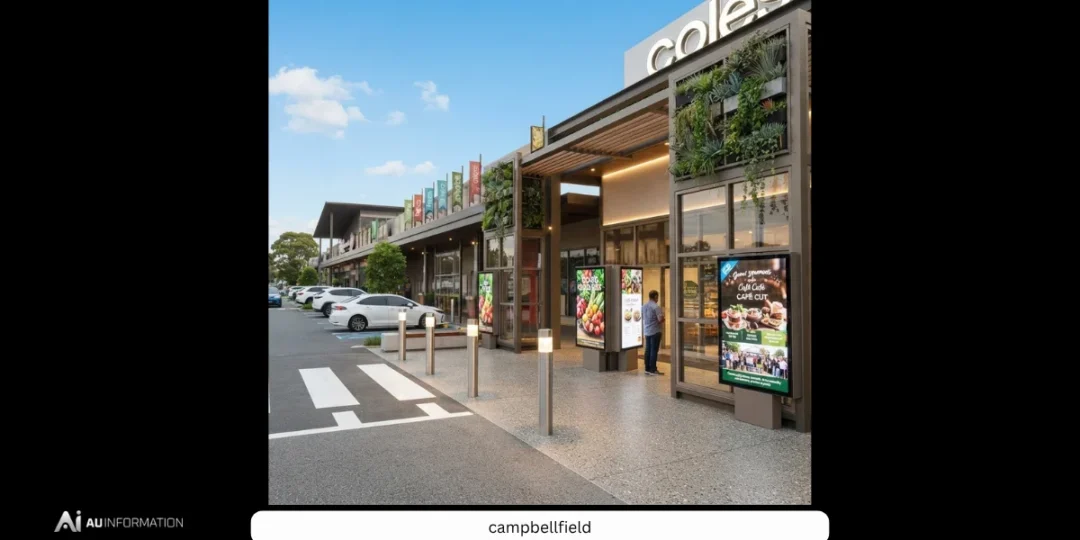
Located in Melbourne’s northern suburbs, Campbellfield is an area with a fascinating transformation story. What was once farmland and rural settlement has developed into one of Victoria’s important industrial and transport-focused suburbs.
Situated approximately 13–16 kilometres north of Melbourne’s CBD in the City of Hume, Campbellfield has played a significant role in Australia’s manufacturing history. The suburb became nationally recognised through its connection with the automotive industry, particularly the former Ford Australia Broadmeadows Assembly Plant, which produced some of Australia’s most iconic vehicles.
Today, Campbellfield represents a changing Melbourne suburb — combining industrial estates, logistics businesses, residential communities and redevelopment opportunities. Its story reflects the broader transformation of Australian suburbs as traditional manufacturing areas adapt to new economic realities.
The History of Campbellfield
Campbellfield’s history dates back to the 1840s when European settlers began establishing farms in the region.
The area was originally rural, with large properties used for agriculture and grazing. The suburb’s name is believed to come from two separate Campbell families who purchased land in the area during Melbourne’s early development.
For many decades, Campbellfield remained a farming district located on Melbourne’s northern edge. As Melbourne expanded, the suburb gradually changed from agricultural land into a more urban and industrial area.
The arrival of improved roads, transport connections and industrial development helped shape Campbellfield into the suburb known today.
Campbellfield and Australia’s Automotive History
One of the most important chapters in Campbellfield’s history is its connection to Ford Australia.
The Ford Broadmeadows Assembly Plant became one of the most significant manufacturing facilities in Australian automotive history. The site produced vehicles that became part of Australian culture, including:
- Ford Falcon
- Ford Territory
- Other locally manufactured Ford models
For decades, the factory provided thousands of jobs and supported a large network of suppliers, engineers, technicians and manufacturing workers.
The automotive industry helped establish Campbellfield as a major employment centre in Melbourne’s north.
However, changing global manufacturing conditions eventually affected local vehicle production. Ford ended Australian vehicle manufacturing in 2016, closing the Broadmeadows assembly operations.
The closure marked the end of an important era but also created opportunities for new industries and redevelopment.
The Industrial Importance of Campbellfield Today
Although automotive manufacturing has declined, Campbellfield remains an important industrial location.
The suburb continues to support:
- Warehousing operations
- Transport companies
- Manufacturing businesses
- Logistics facilities
- Automotive-related services
- Commercial developments
Its location provides advantages for businesses because it offers access to major transport routes, including:
- Hume Freeway
- Sydney Road
- Metropolitan Ring Road connections
These links make Campbellfield attractive for companies requiring efficient movement of goods across Melbourne and interstate.
Transport Connections and Accessibility
One of Campbellfield’s strengths is its strategic location.
The suburb benefits from being close to major road networks connecting Melbourne’s northern suburbs with the wider metropolitan area.
Important transport advantages include:
Road Access
The area provides convenient access to:
- Melbourne CBD
- Melbourne Airport
- Northern industrial precincts
- Regional Victoria
This has helped Campbellfield become valuable for logistics and commercial businesses.
Public Transport
Campbellfield is serviced by bus routes connecting residents to surrounding suburbs and nearby train stations.
While the suburb does not currently have its own railway station, nearby transport connections provide access to Melbourne’s public transport network.
Residential Community and Lifestyle
Although Campbellfield is strongly associated with industry, it also has an established residential community.
The suburb offers:
- Affordable housing compared with many inner Melbourne areas
- Family homes
- Local parks
- Schools and community facilities
- Access to shopping areas
Its multicultural community contributes to the suburb’s character, with residents from diverse cultural backgrounds creating a vibrant local environment.
For some buyers, Campbellfield’s affordability and location make it an attractive option compared with more expensive northern suburbs.
Property and Development Opportunities
Campbellfield has attracted attention from property developers and investors because of its combination of location and available land.
Factors supporting future property interest include:
- Proximity to Melbourne CBD
- Industrial redevelopment opportunities
- Transport access
- Growing northern suburbs population
The suburb’s future may include a mixture of:
- Residential developments
- Commercial projects
- Improved community facilities
- Industrial innovation spaces
As Melbourne continues expanding northward, suburbs such as Campbellfield are expected to experience further change.
The Legacy of Ford and Manufacturing
The Ford legacy remains one of Campbellfield’s defining features.
The automotive industry contributed more than just employment — it shaped the identity of the suburb.
Generations of workers built careers through manufacturing, engineering and technical trades connected with Ford.
The closure of the factory represented a major economic shift, but it also demonstrated how communities adapt.
Former industrial areas around the world have experienced similar transformations, moving from traditional manufacturing toward:
- Advanced manufacturing
- Technology industries
- Logistics
- Mixed-use developments
Campbellfield follows this broader global trend.
Challenges Facing Campbellfield
Like many industrial suburbs, Campbellfield faces several challenges.
Industrial Land Transition
As manufacturing changes, older industrial sites require redevelopment and new economic uses.
Traffic and Infrastructure Pressure
Growing business activity can increase congestion on major roads.
Environmental Considerations
Former industrial areas often require careful planning regarding land use, sustainability and environmental management.
Addressing these issues will be important for Campbellfield’s future growth.
Common Mistakes When Evaluating Campbellfield
People unfamiliar with Campbellfield may overlook its potential because of its industrial reputation.
Some common misconceptions include:
1. Seeing Only the Industrial Side
While industry is important, Campbellfield also has established residential areas and community facilities.
2. Comparing It Only With Inner-City Suburbs
Campbellfield offers a different lifestyle focused on affordability, accessibility and employment opportunities.
3. Ignoring Future Development
Suburbs near major transport corridors often experience significant change over time.
The Future of Campbellfield
The future of Campbellfield is likely to be shaped by economic diversification and urban renewal.
Potential growth areas include:
- Advanced manufacturing
- Logistics technology
- Commercial redevelopment
- Sustainable industrial projects
- New housing opportunities
As Melbourne continues growing, northern suburbs are becoming increasingly important for employment and housing.
Campbellfield’s combination of history, location and industrial capacity positions it as a suburb with significant future potential.
Conclusion
Campbellfield Melbourne represents an important chapter in Victoria’s suburban and industrial history. From its early farming beginnings to its role as a centre of Australian automotive manufacturing, the suburb has continually adapted to changing times.
The legacy of Ford remains central to its identity, but Campbellfield today is much more than its industrial past. With strong transport connections, affordable housing opportunities and ongoing redevelopment potential, the suburb continues evolving as part of Melbourne’s expanding northern region.
Its story is a reminder that suburbs are not static — they change with technology, industries and the needs of the communities that call them home.




No Comments