
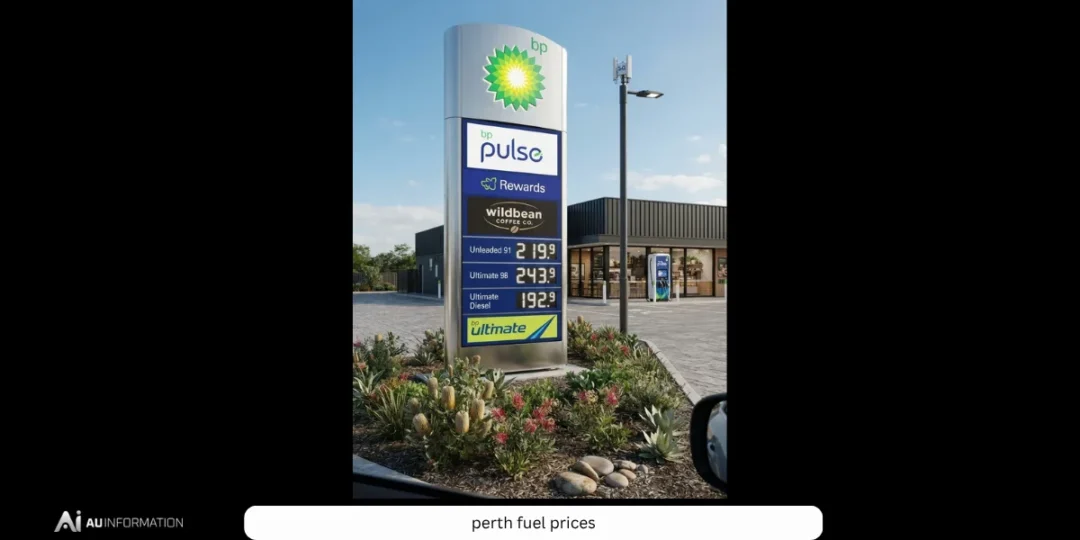
Introduction: Understanding Perth’s Changing Fuel Market
For millions of drivers across Western Australia, Perth fuel prices are more than just a number displayed on a service station sign. Petrol costs directly influence household budgets, commuting expenses, business operations and the overall cost of living.
Unlike many other Australian cities, Perth has a unique petrol pricing system where fuel prices often follow a predictable weekly cycle. This means the price drivers pay can vary significantly depending on the day they choose to refill their vehicles.
Understanding how Perth fuel prices work can help motorists make smarter decisions, reduce unnecessary expenses and better manage their transportation costs.
From global oil markets to local competition between service stations, many factors influence what Perth drivers pay at the pump.
How Perth Fuel Prices Are Determined
Fuel prices in Perth are influenced by several local and international factors. Petrol stations do not set prices randomly; instead, they respond to changes throughout the fuel supply chain.
The main factors affecting Perth fuel prices include:
- Global crude oil prices
- Australian dollar exchange rates
- Wholesale petrol costs
- Government taxes and charges
- Transport and distribution expenses
- Local competition between retailers
- Consumer demand
When international oil prices increase, petrol prices usually rise after a delay as higher costs move through the supply chain.
Similarly, changes in the Australian dollar can affect fuel prices because crude oil is traded internationally in US dollars.
The Perth Petrol Price Cycle Explained
One of the most important things Perth drivers should understand is the city’s weekly fuel cycle.
Perth has a well-known pricing pattern where petrol prices typically change throughout the week.
Generally:
- Prices are often lowest on one day of the weekly cycle.
- Prices increase sharply when retailers reset their prices.
- Higher prices may continue for several days before dropping again.
This cycle means timing can make a noticeable difference.
For example, filling a large vehicle when prices are high could cost significantly more compared with purchasing fuel during a cheaper period.
Many experienced Perth motorists plan their refuelling around the cycle rather than waiting until their fuel tank is almost empty.
What Is FuelWatch and How Does It Help Drivers?
The FuelWatch system is a Western Australian Government service designed to provide fuel price information to consumers.
It allows drivers to compare petrol, diesel and LPG prices across Perth and regional WA.
FuelWatch provides:
- Daily fuel price information
- Service station comparisons
- Upcoming price updates
- Consumer guidance
The system has become an important tool for motorists who want to avoid paying unnecessarily high prices.
Instead of driving to the nearest station without checking, drivers can compare prices and choose a cheaper option nearby.
How Drivers Can Find Cheaper Fuel in Perth
Saving money on petrol does not always require major lifestyle changes. Small decisions can create meaningful savings over time.
Check Fuel Prices Before Filling Up
One of the easiest ways to reduce fuel costs is checking current prices before visiting a service station.
Drivers can use:
- FuelWatch website
- Fuel price comparison apps
- Online petrol trackers
Comparing prices takes only a few minutes but can save significant money throughout the year.
Buy Fuel at the Right Time
Because of Perth’s weekly fuel cycle, timing matters.
Smart drivers often:
- Avoid buying during peak price periods
- Fill up when prices are lower
- Monitor weekly patterns
Waiting even one day can sometimes make a noticeable difference.
Avoid Unnecessary Trips
Fuel savings are not only about petrol prices. Driving habits also affect fuel consumption.
Simple changes include:
- Combining multiple errands into one trip
- Avoiding unnecessary idling
- Maintaining correct tyre pressure
- Driving smoothly instead of aggressively
These habits improve fuel efficiency and reduce vehicle costs.
The Impact of Fuel Prices on Perth Households
Rising fuel prices affect more than just drivers. They influence many areas of everyday life.
Transport Costs
Many Perth residents rely on private vehicles because of the city’s large geographic size. Higher petrol prices can increase commuting expenses for workers and families.
Cost of Goods
Fuel costs also affect businesses. Transport companies, delivery services and retailers often face higher operating costs when fuel prices increase.
These additional expenses can eventually influence the prices consumers pay for goods and services.
Regional Impact
Fuel prices can have an even greater effect outside metropolitan Perth, where longer travel distances and fewer fuel options can increase costs.
Common Mistakes Drivers Make When Buying Fuel
Many motorists unintentionally spend more money on fuel because of poor planning.
Waiting Until the Tank Is Empty
Waiting until the fuel warning light appears can force drivers to buy fuel at the nearest station, even if prices are high.
Planning ahead gives more flexibility.
Ignoring Price Differences
Some drivers assume all petrol stations charge similar prices. However, differences between nearby stations can sometimes be significant.
Driving Specifically for Cheap Fuel
Although finding cheaper fuel is smart, driving long distances to save a small amount may not always be worthwhile.
Drivers should consider:
- Distance travelled
- Time spent
- Actual fuel savings
Fuel Prices and the Growth of Electric Vehicles
The increasing popularity of electric vehicles (EVs) is changing conversations about transport costs.
Electric vehicles offer potential benefits, including:
- Reduced petrol dependence
- Lower fuel expenses
- Less exposure to petrol price changes
- Lower emissions
However, petrol vehicles remain dominant in Western Australia, and fuel prices will continue to affect most drivers for many years.
The transition to electric transport will likely happen gradually as charging infrastructure improves and more affordable EV options become available.
How Global Events Influence Perth Petrol Prices
Although Perth is thousands of kilometres away from major oil-producing regions, global events can quickly affect local fuel prices.
Factors such as:
- International conflicts
- Oil production decisions
- Global economic changes
- Supply disruptions
can influence crude oil markets.
Because fuel is part of a global industry, local prices are connected to international developments.
Future Outlook for Perth Fuel Prices
The future of Perth fuel prices will depend on several factors, including energy markets, technology and consumer behaviour.
Important trends include:
- Growth of electric vehicles
- Increased use of renewable energy
- Improvements in fuel efficiency
- Changing global oil demand
- Government energy policies
While petrol prices will continue to fluctuate, technology and alternative energy options may gradually reduce dependence on traditional fuels.
Expert Tips for Managing Fuel Costs
Drivers looking to reduce transport expenses should consider these practical strategies:
- Compare prices regularly before purchasing fuel.
- Understand Perth’s weekly fuel cycle.
- Maintain your vehicle properly.
- Avoid unnecessary driving.
- Consider fuel-efficient vehicles when upgrading.
- Track monthly fuel spending to identify savings opportunities.
Small improvements in driving habits and purchasing decisions can create significant long-term savings.
Conclusion: Making Smarter Choices in Perth’s Fuel Market
Perth fuel prices are influenced by a combination of global markets, local competition and consumer behaviour. While drivers cannot control international oil prices, they can control how they respond to changing costs.
By understanding the Perth fuel cycle, using FuelWatch, comparing prices and improving driving habits, motorists can reduce unnecessary expenses.
As transportation continues to evolve with electric vehicles and new technologies, fuel prices will remain an important issue for Perth households. For now, informed decisions remain one of the most effective ways for drivers to manage petrol costs and protect their budgets.




No Comments