
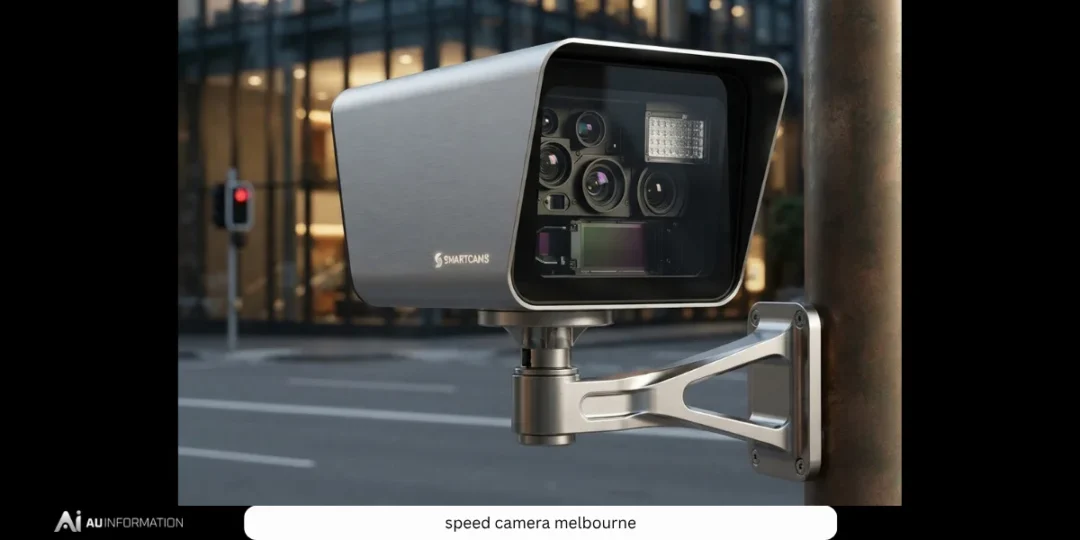
Speed cameras have become a familiar part of driving across Melbourne, helping authorities monitor dangerous driving behaviour and improve road safety. For many motorists, seeing a speed camera can create concern about possible fines, but the purpose of these systems extends beyond issuing penalties. They are designed to encourage safer driving habits, reduce excessive speeding and prevent serious road crashes.
The speed camera system in Melbourne is part of Victoria’s broader road safety strategy, combining technology, enforcement and driver education. From fixed cameras at busy intersections to mobile cameras operating in different suburbs, these systems play an important role in managing traffic behaviour across one of Australia’s fastest-growing cities.
Understanding how Melbourne speed cameras work, where they operate and what penalties apply can help drivers make safer decisions and avoid unnecessary fines.
Why Speed Cameras Are Used in Melbourne
Speeding remains one of the major contributors to serious road accidents. Even small increases above the speed limit can significantly increase stopping distances and the severity of crashes.
Speed cameras are introduced in areas where speeding creates higher risks, including:
- Roads with a history of serious crashes
- School zones
- Busy intersections
- High-traffic suburban streets
- Areas with vulnerable road users such as pedestrians and cyclists
The goal is not simply to catch drivers exceeding limits but to encourage consistent compliance with speed restrictions.
Research in road safety has shown that reducing average vehicle speeds can significantly lower the likelihood of severe injuries and fatalities when crashes occur.
Types of Speed Cameras Used in Melbourne
Melbourne uses several types of speed enforcement cameras. Each system operates differently depending on the location and purpose.
Fixed Speed Cameras
Fixed speed cameras are permanent installations located at specific high-risk areas.
They are commonly found on:
- Major roads
- High-speed routes
- Dangerous intersections
- Areas with repeated speeding issues
These cameras continuously monitor vehicle speeds and record offences when vehicles exceed the legal limit.
Drivers often recognise fixed cameras because they are installed in visible locations, usually with warning signs before the camera area.
Red-Light Cameras
Some intersections use combined red-light and speed cameras.
These cameras monitor two types of offences:
- Running a red traffic light
- Exceeding the speed limit while approaching or crossing an intersection
They are particularly important because intersection crashes can result in serious injuries due to vehicles travelling at higher speeds.
Mobile Speed Cameras
Mobile speed cameras are one of the most common forms of speed enforcement in Melbourne.
Unlike fixed cameras, mobile cameras can operate from different locations using:
- Unmarked vehicles
- Trailer-mounted camera units
- Portable systems
Mobile cameras are used across many Melbourne suburbs and can operate at different times, including:
- Daytime
- Night-time
- Weekends
- Poor weather conditions
Their purpose is to encourage drivers to maintain safe speeds regardless of whether a permanent camera is visible.
How Mobile Speed Cameras Work
Modern mobile speed cameras use advanced technology to measure vehicle speeds accurately.
They can:
- Detect speeding vehicles using radar technology
- Monitor multiple lanes
- Record vehicles travelling in different directions
- Operate in various weather conditions
Camera operators follow strict procedures to ensure accuracy and reliability.
The locations selected for mobile cameras are not random. They are generally chosen based on factors such as:
- Crash statistics
- Community safety concerns
- Speeding patterns
- Road conditions
Where Are Speed Cameras Located in Melbourne?
Speed cameras operate throughout Melbourne rather than being limited to a few areas.
Common locations include:
Major Roads
Large roads with higher traffic volumes often receive increased monitoring because excessive speed can create significant risks.
Examples may include:
- Arterial roads
- Freeway connections
- Major suburban routes
School Zones
School areas receive special attention because children are among the most vulnerable road users.
Speed limits are reduced around schools to protect students during busy periods such as:
- School drop-off times
- Afternoon pick-up periods
High-Risk Crash Locations
Authorities prioritise locations where previous crashes indicate a safety problem.
These areas may include:
- Dangerous curves
- Busy intersections
- Roads with poor visibility
Speed Camera Fines and Penalties in Victoria
Speeding penalties in Victoria depend on how far above the speed limit a driver is travelling.
Generally, higher speeds result in:
- Larger fines
- More demerit points
- Possible licence suspension
Factors that influence penalties include:
- The amount over the speed limit
- The type of licence held
- Previous driving history
Drivers should understand that even low-level speeding offences can accumulate points over time and affect their licence status.
Common Mistakes Drivers Make Around Speed Cameras
Many speeding offences occur because drivers misunderstand how cameras operate.
Some common mistakes include:
Assuming Cameras Are Only Active at Certain Times
Mobile cameras can operate at different times of the day. Drivers should always follow speed limits rather than relying on assumptions about enforcement schedules.
Braking Suddenly Near Cameras
Some drivers slow down only when they notice a camera and accelerate afterwards.
This behaviour is unsafe because speed limits apply throughout the entire road, not just near enforcement points.
Forgetting Speed Limit Changes
Melbourne has many areas where speed limits change quickly, especially near:
- School zones
- Construction areas
- Residential streets
Drivers should pay attention to road signs rather than relying only on memory.
How Drivers Can Avoid Speeding Fines
The easiest way to avoid speed camera penalties is to develop consistent driving habits.
Helpful strategies include:
Use Speed Awareness Technology
Many modern vehicles include:
- Speed limit displays
- Driver assistance systems
- Navigation alerts
These features can help drivers remain aware of changing limits.
Check Your Speed Regularly
Small increases above the limit can happen without drivers noticing, especially on open roads.
Regularly checking the speedometer helps maintain control.
Allow Extra Travel Time
Many people speed because they feel rushed.
Planning journeys with extra time reduces pressure and encourages safer driving.
The Future of Speed Camera Technology in Melbourne
Road safety technology continues to develop rapidly.
Future systems may include:
- More advanced automated detection
- Artificial intelligence-based monitoring
- Improved vehicle safety communication
- Greater integration with smart transport systems
Modern vehicles are also becoming better at helping drivers maintain safe speeds through advanced assistance technologies.
However, technology alone cannot replace responsible driving. Safe roads depend on a combination of enforcement, infrastructure improvements and driver awareness.
The Balance Between Enforcement and Community Safety
Speed cameras sometimes create debate, with some drivers viewing them mainly as penalty systems. However, road safety experts emphasise that the broader objective is preventing serious injuries and saving lives.
Effective speed management requires:
- Fair enforcement
- Clear road signs
- Public education
- Responsible driver behaviour
When drivers understand why speed limits exist, compliance becomes less about avoiding fines and more about protecting everyone using the road.
Conclusion
Melbourne speed cameras play an important role in improving road safety across Victoria. From fixed cameras and red-light systems to mobile digital cameras, these technologies help reduce dangerous speeding behaviour and encourage safer driving.
Understanding how speed cameras operate, where they are commonly used and what penalties apply allows motorists to make better decisions behind the wheel.
Ultimately, the safest approach is simple: follow speed limits, remain alert and drive according to road conditions. Speed cameras are not just about detecting offences — they are part of a wider effort to make Melbourne’s roads safer for drivers, passengers, pedestrians and cyclists.


No Comments