
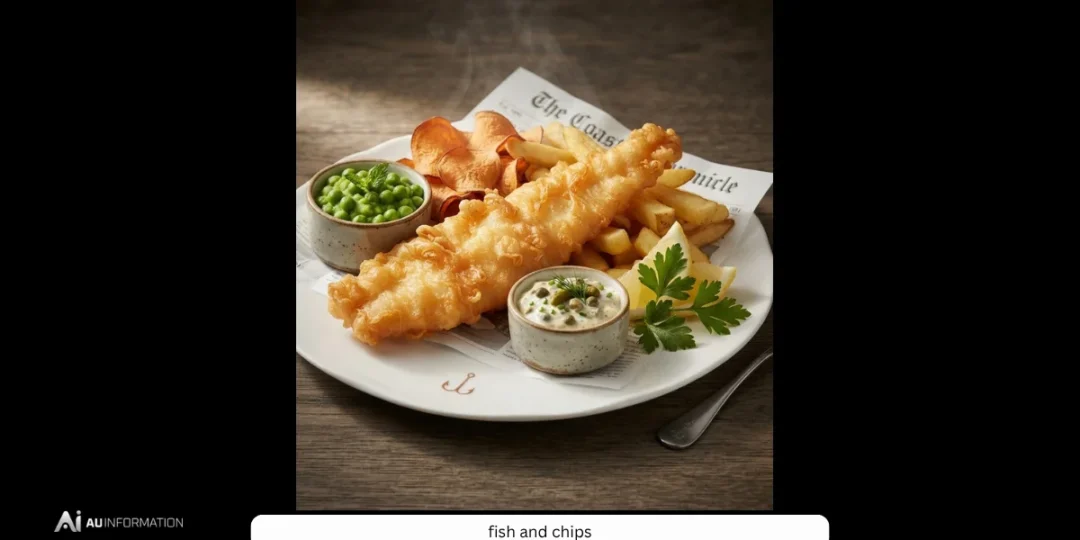
Few foods represent comfort, tradition and simple enjoyment quite like fish and chips. A meal built around two humble ingredients — battered fried fish and crispy potato chips — has travelled from the streets of 19th-century Britain to become a favourite around the world.
For generations, fish and chips has been more than just takeaway food. It has been part of family dinners, seaside holidays, weekend traditions and community life. From small coastal towns to major cities, local fish and chip shops, often called “chippies,” have become important parts of food culture.
The continued popularity of fish and chips comes from its simplicity. A perfectly cooked piece of golden, crispy fish combined with hot chips offers a balance of texture, flavour and nostalgia that few meals can match.
The Origins of Fish and Chips
The history of fish and chips is strongly connected with Britain during the 19th century. The dish developed during the Industrial Revolution, when affordable and filling meals were needed by working-class communities.
Fried fish became popular in England through influences from Jewish communities, particularly Sephardic Jewish immigrants who brought traditions of cooking fish coated in flour and fried. At the same time, fried potatoes became a common and affordable food among workers.
Eventually, the two foods came together, creating the meal now recognised as fish and chips.
The first fish and chip shops appeared in England during the mid-1800s, and the dish quickly became a national favourite because it was:
- Affordable for working families
- Easy to prepare in large quantities
- Filling and nutritious
- Convenient for workers and families
By the early 20th century, fish and chips had become one of Britain’s most iconic foods.
How Fish and Chips Became a Global Favourite
Although fish and chips began in Britain, its popularity spread internationally through migration, trade and cultural connections.
Countries such as Australia, New Zealand, Canada and other Commonwealth nations developed their own versions of the dish.
In Australia, fish and chips became closely connected with coastal lifestyle and beach culture. Many Australians associate the meal with:
- Summer evenings near the ocean
- Family gatherings
- Weekend takeaway traditions
- Holiday trips along the coast
Australian fish and chip shops often use locally available seafood, creating regional variations of the classic dish.
Traditional Ingredients of Fish and Chips
A traditional fish and chips meal usually contains a few key components.
Fish
The choice of fish depends on location and availability.
Common varieties include:
- Cod
- Haddock
- Hake
- Pollock
- Snapper
- Flathead
- Barramundi
In Britain, cod and haddock have traditionally been the most popular choices, while countries like Australia often use local seafood species.
Batter
The batter creates the signature crispy coating around the fish.
A good batter typically includes:
- Flour
- Water or beer
- Salt
- Baking powder or another raising agent
The goal is to create a light, crunchy exterior while keeping the fish inside moist and tender.
Chips
The chips are usually thick-cut rather than thin like fast-food fries.
Traditional chips are:
- Soft and fluffy inside
- Golden and crispy outside
- Cooked through deep frying
Many traditional shops use techniques such as double frying to achieve the ideal texture.
The Art of Making Perfect Fish and Chips
Although fish and chips appears simple, creating a high-quality version requires skill.
Professional cooks focus on several important details:
Fresh Ingredients
Fresh fish makes a major difference. High-quality seafood provides better flavour, texture and overall eating experience.
Correct Oil Temperature
Maintaining the correct frying temperature is essential.
If the oil is too cold:
- The batter absorbs excess oil
- The fish becomes greasy
If the oil is too hot:
- The outside may burn before the fish cooks properly
Balanced Seasoning
Classic seasoning is simple but effective.
Popular additions include:
- Salt
- Vinegar
- Lemon juice
- Tartar sauce
- Tomato sauce
The right balance enhances the natural flavour of the seafood.
Famous Fish and Chips Variations Around the World
Different countries have adapted fish and chips according to local tastes.
Australia
Australian fish and chips often feature locally sourced seafood and are commonly enjoyed near beaches.
Popular additions include:
- Dim sims
- Potato cakes
- Calamari
- Prawns
- Seafood baskets
United Kingdom
The traditional British version usually focuses on:
- Cod or haddock
- Thick chips
- Malt vinegar
- Mushy peas
It remains a major part of British food identity.
New Zealand
New Zealand shops often use local fish varieties and are strongly connected with coastal communities.
North America
Canadian and American versions may include:
- Different seafood choices
- Coleslaw
- Fries instead of traditional thick chips
- Regional sauces
The Role of Fish and Chip Shops in Communities
Fish and chip shops are more than places to buy food. In many communities, they act as social gathering points.
Local chippies often become part of neighbourhood identity because they provide:
- Affordable meals
- Familiar service
- Community connection
- Local employment
Many family-owned fish and chip businesses have operated for decades, passing recipes and traditions from one generation to another.
Health Trends and Modern Changes
While traditional fish and chips is considered a comfort food, changing consumer preferences have encouraged many businesses to introduce healthier options.
Modern fish and chip shops increasingly offer:
- Grilled fish
- Air-fried options
- Fresh salads
- Gluten-free batter
- Sustainable seafood choices
Consumers are also becoming more interested in where their seafood comes from. Sustainable fishing practices and responsible sourcing have become important factors in the seafood industry.
Common Mistakes When Making Fish and Chips at Home
Preparing restaurant-quality fish and chips at home can be challenging.
Some common mistakes include:
Using Frozen or Low-Quality Fish
Poor-quality fish can result in a dry or unpleasant texture.
Incorrect Batter Consistency
Batter that is too thick can become heavy, while batter that is too thin may not create a proper crust.
Overcrowding the Fryer
Adding too much food at once lowers the oil temperature and prevents proper crisping.
Ignoring Seasoning
Even excellent ingredients need proper seasoning to achieve the classic fish and chips flavour.
The Future of Fish and Chips
Despite changing food trends, fish and chips continues to remain popular because it represents something timeless: simple, enjoyable food shared with others.
The future of the industry is likely to focus on:
- Sustainable seafood
- Health-conscious cooking methods
- Better quality ingredients
- Modern restaurant experiences
- Creative menu variations
Technology and changing consumer expectations may influence how fish and chip businesses operate, but the core idea will remain unchanged.
Conclusion
Fish and chips is far more than a fried meal. It is a cultural symbol that represents tradition, community and comfort. From its origins in 19th-century Britain to its popularity across Australia and the world, this simple combination of battered fish and crispy chips has become a global favourite.
Its success lies in its ability to adapt while keeping its traditional identity. Whether enjoyed beside the ocean, from a local takeaway shop or prepared at home, fish and chips continues to bring people together — proving that some of the greatest foods are often the simplest.




No Comments