
Introduction: Australia’s Digital Backbone Is Expanding
In today’s connected world, almost every online activity depends on powerful technology infrastructure operating behind the scenes. From artificial intelligence applications and cloud services to online banking, streaming platforms and business software, the demand for fast and reliable digital systems continues to grow.
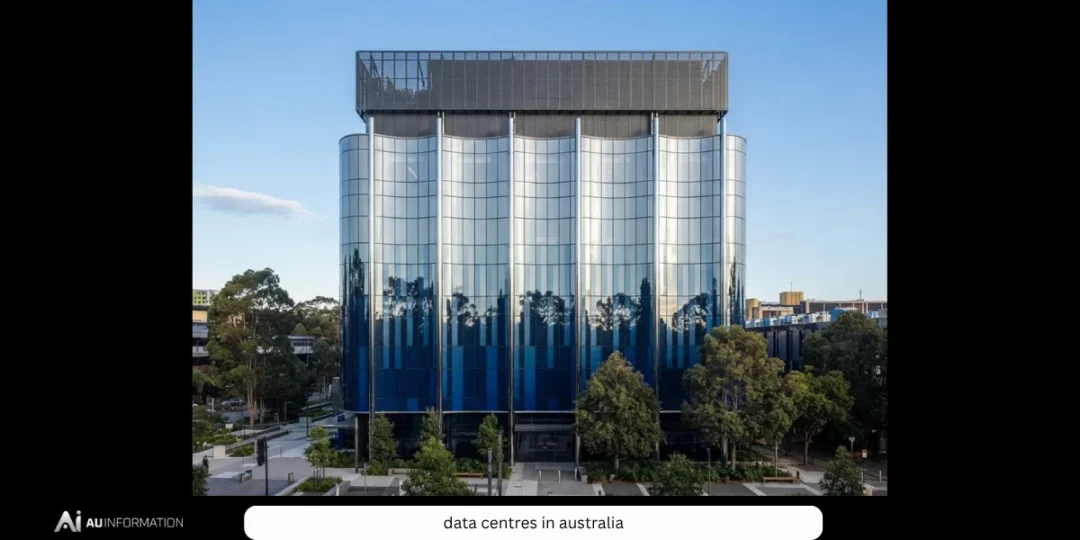
At the centre of this transformation are data centres in Australia — specialised facilities designed to store, process and manage enormous amounts of digital information. These facilities provide the foundation for modern technology by supporting businesses, governments and millions of everyday users.
Australia’s data centre industry has entered a major growth phase due to the rapid expansion of artificial intelligence (AI), cloud computing, cybersecurity needs and digital transformation. With strong connectivity, political stability and a growing technology sector, Australia is becoming an increasingly important digital infrastructure hub in the Asia-Pacific region.
What Is a Data Centre and Why Does It Matter?
A data centre is a highly secure facility that houses computer servers, storage systems and networking equipment. These facilities allow organisations to store information, run applications and deliver digital services efficiently.
A modern data centre typically includes:
- High-performance computer servers
- Advanced cooling systems
- Backup power supplies
- Security monitoring systems
- High-speed internet connections
- Data storage infrastructure
Unlike ordinary office buildings, data centres operate continuously, often 24 hours a day, seven days a week. Even a short outage can affect thousands or millions of users, which is why reliability and security are major priorities.
Everyday Examples of Data Centre Use
Many services Australians use daily depend on data centres, including:
- Online banking
- Social media platforms
- Video streaming services
- E-commerce websites
- Government digital services
- Artificial intelligence tools
- Business cloud applications
Without data centres, much of the modern digital economy would not function.
The Growth of Data Centres in Australia
Australia has become one of the leading data centre markets in the Asia-Pacific region. The country now has more than 250 data centres, with major facilities located in:
- Sydney
- Melbourne
- Brisbane
- Perth
- Canberra
Among these locations, Sydney remains the largest data centre market due to its strong financial sector, large business community and international network connections.
Why Sydney Leads Australia’s Data Centre Industry
Sydney attracts major investment because it offers:
- Strong demand from financial institutions
- Large enterprise customers
- Reliable telecommunications networks
- Access to international submarine cables
- A mature technology ecosystem
Many global technology companies choose Sydney as a regional base because it provides excellent connectivity to Asia-Pacific markets.
Major Data Centre Companies Operating in Australia
Australia’s data centre sector includes both local and international companies investing heavily in digital infrastructure.
NEXTDC
NEXTDC is one of Australia’s largest data centre operators. The company develops and manages high-performance facilities designed for enterprise customers, cloud providers and technology companies.
Its facilities support businesses requiring secure and scalable digital infrastructure.
AirTrunk
AirTrunk has become a major player in Australia’s hyperscale data centre market. The company focuses on large-scale facilities designed to support cloud computing and artificial intelligence workloads.
Its projects reflect the growing demand for massive computing capacity.
Equinix
Equinix operates global data centre networks and provides digital infrastructure services for businesses connecting across international markets.
Its facilities support companies requiring fast and secure connections between networks, cloud platforms and customers.
CDC Data Centres
CDC Data Centres focuses on secure infrastructure for government, defence and enterprise customers.
The company plays an important role in supporting Australia’s critical digital systems.
Macquarie Data Centres and Digital Realty
Other major operators, including Macquarie Data Centres and Digital Realty, are also expanding their presence as demand for cloud and AI infrastructure increases.
Artificial Intelligence Is Driving the Next Data Centre Boom
The biggest factor transforming Australia’s data centre industry is the rapid growth of artificial intelligence.
Modern AI systems require enormous computing power to:
- Train large language models
- Process massive datasets
- Run AI applications
- Support automated decision-making systems
Traditional data centres were designed mainly for cloud storage and business applications. AI requires a new generation of infrastructure with specialised hardware, including powerful graphics processing units (GPUs).
Australia’s AI Infrastructure Investment
Technology companies are increasingly investing in Australian AI infrastructure.
Nvidia has announced plans to expand AI data centre capacity in Australia through partnerships with local organisations, targeting up to 2 gigawatts of AI-related capacity by 2027.
This reflects a global trend where countries are competing to build the computing infrastructure needed for the next generation of artificial intelligence.
Economic Impact of Australia’s Data Centre Expansion
The growth of data centres creates significant economic opportunities.
Job Creation
Although data centres are highly automated, they create employment opportunities in areas such as:
- Engineering
- Cybersecurity
- Construction
- Electrical systems
- Data management
- Facility operations
Large projects also create temporary construction jobs and support local suppliers.
Technology Investment
Data centres attract billions of dollars in investment from technology companies, infrastructure providers and financial organisations.
This investment strengthens Australia’s position as a digital economy leader.
Environmental Challenges and Energy Demand
While data centres provide essential digital services, they also create environmental challenges.
High Electricity Consumption
Data centres require large amounts of electricity because servers operate continuously and cooling systems must maintain safe temperatures.
As AI workloads increase, electricity demand is expected to grow further.
Sustainability Solutions
The industry is responding through:
- Renewable energy projects
- More efficient cooling technology
- Energy-efficient hardware
- Carbon reduction strategies
- Better facility design
Many operators are investing in cleaner energy solutions to reduce their environmental impact.
The Importance of Location Selection
Choosing the right location is one of the most important decisions when developing a data centre.
Key factors include:
Reliable Power Supply
Data centres require stable electricity access with backup systems to prevent disruption.
Network Connectivity
Fast and reliable communication networks are essential for businesses and cloud services.
Security and Regulations
Facilities must meet strict security standards, especially when handling government or financial information.
Climate Considerations
Temperature and environmental conditions influence cooling costs and operational efficiency.
Common Misconceptions About Data Centres
“Data Centres Are Only for Big Technology Companies”
While large companies use data centres, smaller businesses also rely on cloud services supported by these facilities.
“Data Centres Are Completely Automatic”
Although automation is important, skilled professionals are required for security, maintenance and operations.
“AI Growth Has No Infrastructure Limits”
AI expansion depends on physical infrastructure, including computing power, electricity and specialised facilities.
Future Outlook: Australia’s Digital Infrastructure Future
The future of data centres in Australia looks extremely promising.
Several trends will shape the industry:
- Expansion of AI computing facilities
- Increased cloud adoption
- Growth of cybersecurity requirements
- More renewable-powered data centres
- Development of regional digital hubs
As artificial intelligence becomes part of everyday business and consumer services, demand for advanced computing infrastructure will continue to increase.
Conclusion: Australia’s Role in the Global Digital Economy
Data centres in Australia are becoming one of the most important foundations of the country’s technology future. They support everything from cloud computing and online services to the rapidly expanding world of artificial intelligence.
With major companies investing billions of dollars, strong connectivity advantages and growing demand for digital services, Australia is positioning itself as a significant technology hub in the Asia-Pacific region.
The challenge ahead will be balancing rapid digital growth with energy efficiency, sustainability and responsible infrastructure development. If managed effectively, Australia’s data centre boom will create new jobs, attract global investment and help shape the next era of technological innovation.




No Comments