
Introduction: The Homes That Preserve Australia’s Most Controversial Legend
Few figures in Australian history have created as much fascination, debate and mystery as Edward “Ned” Kelly. To some, he was a symbol of resistance against injustice and a folk hero who challenged authority. To others, he was a dangerous criminal responsible for violent crimes. Regardless of personal opinions, Ned Kelly remains one of Australia’s most recognised historical figures.
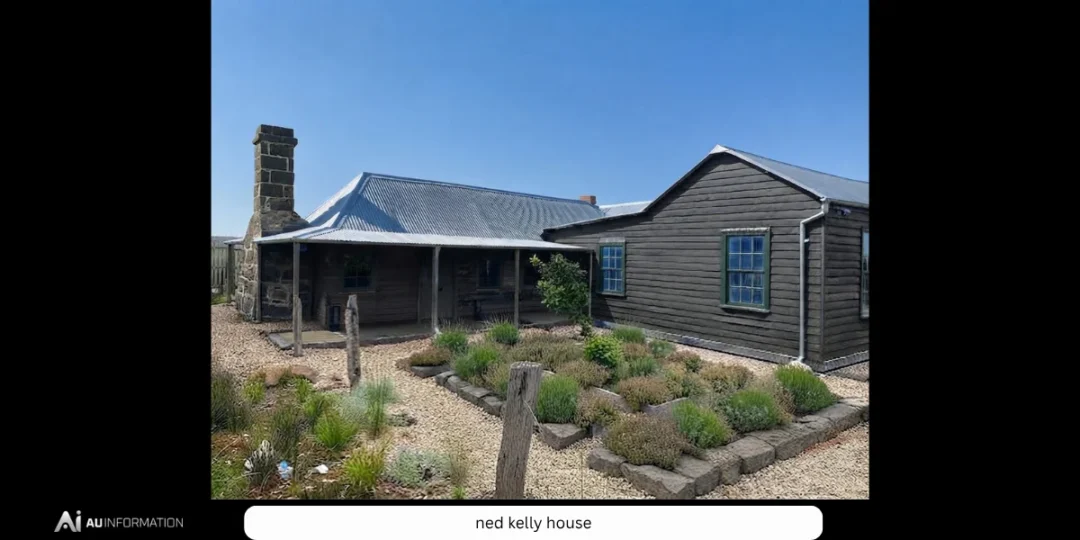
The places connected to his life, especially the Ned Kelly houses and family homesteads, provide a unique window into 19th-century Australia. These locations reveal the difficult conditions faced by colonial families, the challenges of rural life and the events that shaped one of the nation’s most famous stories.
From the Kelly family’s early homes near Greta to the historic sites around Glenrowan, these locations attract thousands of visitors who want to understand the person behind the legend.
Who Was Ned Kelly?
Edward “Ned” Kelly was born in 1854 in Victoria and became Australia’s most famous bushranger. He grew up in a poor farming family during a period when tensions between Irish settlers and colonial authorities were high.
After a series of conflicts with police, Kelly and his gang became involved in robberies and violent confrontations. His story reached its dramatic conclusion during the Glenrowan siege in 1880, where Kelly’s gang faced Victorian police in a final battle.
Ned Kelly was captured, convicted of murder and executed at Melbourne Gaol in 1880. However, his life story continued to grow into Australian folklore, with historians, filmmakers and writers continuing to examine his legacy.
The houses and locations connected to Kelly’s life help visitors understand the environment that influenced his journey.
The Importance of Ned Kelly Houses in Australian History
The term “Ned Kelly House” does not refer to only one building. Instead, it describes several homes, properties and heritage sites connected with Kelly and his family.
These locations are important because they show:
- The living conditions of rural Australian families during the 1800s
- The background of the Kelly family
- The social issues of colonial Victoria
- The connection between history and modern tourism
Unlike traditional museums that only display objects, historic houses allow visitors to experience the physical spaces where important events and everyday life took place.
Ned Kelly Museum and Homestead – Kate’s Cottage, Glenrowan
One of the most significant Kelly-related sites is the Ned Kelly Museum and Homestead – Kate’s Cottage in Glenrowan, Victoria.
Located near the site of the famous Glenrowan siege, this attraction focuses on the final chapter of Ned Kelly’s story and the life of his family.
The site includes:
- Historical displays
- Kelly family information
- Photographs and documents
- Historical artefacts
- Exhibitions about the Glenrowan confrontation
Visitors can learn about the events leading up to the final battle between Kelly’s gang and Victorian police.
Why Glenrowan Matters
Glenrowan became internationally known because it was the location of Kelly’s last stand.
In June 1880, Ned Kelly and his gang planned an ambush against police forces. Their plan involved stopping a police train and using homemade armour during the confrontation.
However, the plan failed after authorities received information about the gang’s activities. A siege followed, resulting in the deaths of several gang members and the capture of Ned Kelly.
Today, Glenrowan remains one of Australia’s most important historical locations connected with bushranger history.
The Kelly Family Homestead Near Greta
Another important location associated with Ned Kelly is the Kelly family homestead area near Greta, Victoria.
This region was where Ned Kelly spent part of his childhood and developed his understanding of rural life. The family lived in difficult economic conditions, working on farms and managing the challenges faced by many working-class families of the time.
Although the original house site is privately owned and not generally open to the public, it remains historically significant.
The Greta area helps researchers and visitors understand:
- Ned Kelly’s childhood environment
- His family background
- The rural communities of 19th-century Victoria
Understanding his early years provides important context when examining his later actions.
Life Inside a 19th-Century Australian Homestead
The Kelly family homes reflected the realities of rural Australia during the colonial period.
Many families lived with limited resources and faced challenges such as:
- Financial hardship
- Difficult farming conditions
- Limited access to education
- Strong dependence on local communities
Homes were often simple structures built from available materials. Unlike modern houses, they had fewer comforts and required families to be highly self-sufficient.
For visitors today, these historic homes provide insight into how ordinary Australians lived during the 1800s.
The Debate Around Ned Kelly’s Legacy
Ned Kelly remains a controversial figure more than 140 years after his death.
Supporters often describe him as:
- A symbol of resistance
- A figure representing rural hardship
- A person who challenged unfair treatment
Critics argue that:
- He committed serious crimes
- His actions caused suffering
- His reputation has sometimes been romanticised
This debate is one reason why Kelly-related heritage sites remain popular. They encourage visitors to explore history from multiple perspectives rather than presenting a simple hero or villain story.
Why Tourists Visit Ned Kelly Heritage Sites
Ned Kelly locations have become important tourism attractions because they combine history, storytelling and regional travel.
Visitors are attracted by:
Historical Interest
People want to learn about one of Australia’s most famous criminal cases.
Cultural Connection
Kelly has become part of Australian identity, appearing in books, films, artwork and documentaries.
Regional Tourism
The Kelly Country region offers visitors more than history, including:
- Country towns
- Scenic landscapes
- Food and wine experiences
- Walking trails
- Local museums
For many travellers, visiting these locations provides a deeper understanding of Australia’s past.
Common Mistakes When Visiting Ned Kelly Sites
Visitors interested in Kelly history should avoid a few common mistakes.
Assuming Every Kelly Location Is Public
Some places connected with the Kelly family are privately owned. Visitors should always check access rules before travelling.
Looking Only at the Legend
The famous stories about Ned Kelly are often dramatic, but understanding the historical context provides a more complete picture.
Ignoring Local Museums
Small regional museums often contain valuable information, personal stories and historical details that are not available elsewhere.
The Future of Ned Kelly Heritage Tourism
Interest in Ned Kelly continues to remain strong because each generation discovers his story in new ways.
Future heritage tourism is likely to focus on:
- Interactive museum experiences
- Digital storytelling
- Virtual tours
- Improved historical education
- Preservation of regional heritage sites
As technology develops, visitors may experience Australian history through more immersive methods while still protecting important physical locations.
Conclusion: Homes That Keep a National Story Alive
The story of Ned Kelly House is not just about old buildings. It is about family, hardship, conflict, identity and the complicated history of Australia’s colonial era.
The homes and heritage sites connected to Ned Kelly allow visitors to look beyond the famous armour and bushranger image and explore the real environments that shaped his life.
Whether viewed as a rebel, criminal or cultural symbol, Ned Kelly remains one of Australia’s most discussed historical figures. The preservation of places like Glenrowan and the Kelly family homestead areas ensures that his story continues to be studied, debated and remembered for generations to come.



No Comments