
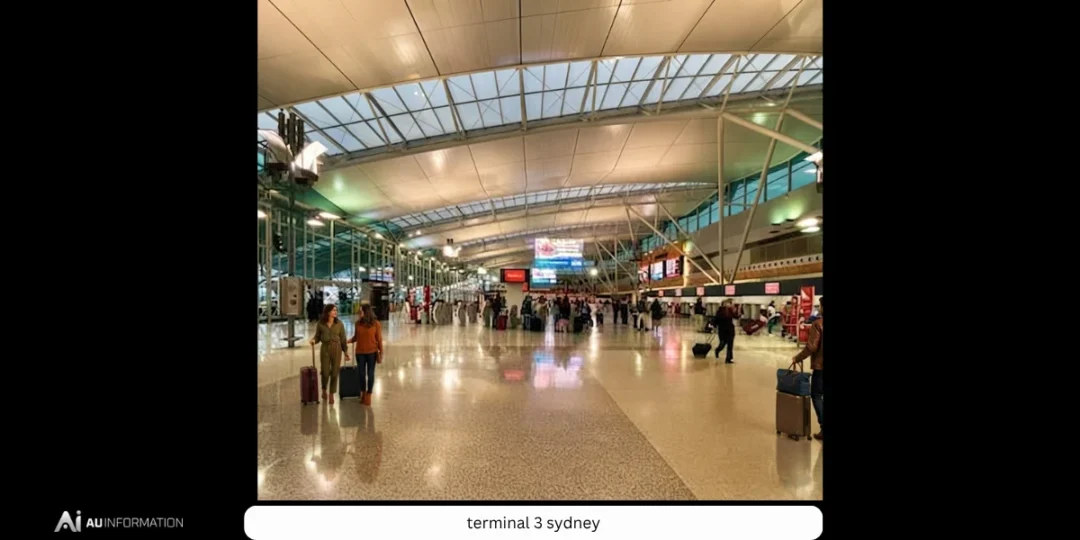
Sydney Airport Terminal 3 (T3) is one of Australia’s most important domestic aviation facilities and a key gateway connecting millions of travellers across the country. Located at Sydney Kingsford Smith Airport in Mascot, New South Wales, Terminal 3 serves as the primary domestic base for Qantas and QantasLink, Australia’s national airline.
For decades, T3 has played a central role in Australian aviation, connecting Sydney with major cities including Melbourne, Brisbane, Perth, Adelaide, Darwin and other regional destinations. More than just a departure point, Terminal 3 represents the evolution of domestic air travel in Australia, combining modern passenger services, premium airline facilities and efficient airport operations.
With ongoing improvements in dining, retail, technology and passenger comfort, Sydney Airport Terminal 3 continues to adapt to the changing expectations of modern travellers.
The History and Role of Sydney Airport Terminal 3
Sydney Airport has a long aviation history dating back to the early 20th century, becoming one of the busiest airports in the Asia-Pacific region.
Terminal 3 was developed to support the growth of domestic aviation and strengthen Qantas operations in Sydney. Over time, it became closely associated with the airline’s domestic network and evolved into one of the country’s most recognisable airport terminals.
Today, T3 operates as a dedicated domestic terminal focused mainly on Qantas passengers. Its purpose is to provide efficient travel experiences for both business and leisure travellers while supporting one of Australia’s largest aviation networks.
The terminal’s importance comes from several factors:
- It supports thousands of domestic flights every year.
- It connects Sydney with major Australian destinations.
- It provides specialised facilities for Qantas passengers.
- It supports tourism, business travel and regional connectivity.
Qantas and Terminal 3: A Strong Aviation Partnership
The relationship between Qantas and Terminal 3 is one of the defining features of the facility.
Unlike other Sydney Airport terminals that serve multiple airlines, T3 has a strong identity as the home of Qantas domestic operations.
Passengers using T3 can access:
- Dedicated Qantas check-in facilities
- Qantas Club lounges
- Business facilities
- Frequent flyer services
- Airline customer support areas
This close connection allows Qantas to manage its domestic operations efficiently while providing passengers with a more streamlined experience.
For frequent travellers, particularly business passengers, the familiarity of T3 makes Sydney Airport travel more predictable and convenient.
Passenger Experience Inside Terminal 3
Modern airport travellers expect more than just a boarding gate. Airports have increasingly become places where passengers work, relax, eat and shop before flights.
Terminal 3 has continued to improve its passenger experience through upgrades to:
- Dining areas
- Retail spaces
- Seating zones
- Passenger facilities
- Digital services
The terminal offers a range of food and beverage choices, from quick takeaway options for passengers in a hurry to cafés and restaurants suitable for longer waits.
Popular options typically include:
- Coffee shops
- Australian-style cafés
- Grab-and-go meals
- Casual dining
- Convenience stores
These improvements reflect a broader trend in aviation where airports are focusing on creating more comfortable and enjoyable environments.
Lounges and Premium Facilities
One of the major advantages of Terminal 3 is its premium passenger facilities.
Qantas operates dedicated lounges designed for eligible passengers, including frequent flyers and business-class travellers.
These lounges provide:
- Comfortable seating
- Work areas
- Complimentary food and beverages
- Wi-Fi access
- Quiet spaces away from the terminal crowd
For business travellers, these facilities are particularly valuable because they allow passengers to work or relax before flights.
The growth of premium airport services reflects the changing expectations of travellers who increasingly value comfort and convenience.
Getting to Sydney Airport Terminal 3
Terminal 3 is located in Mascot, approximately 8 kilometres south of Sydney’s central business district.
Passengers have several transport options available.
Train
The Airport Link train service provides direct access to Sydney Airport stations.
Travellers can connect from:
- Sydney CBD
- Central Station
- Suburban railway networks
The train is often the fastest option during busy traffic periods.
Taxi and Rideshare
Taxi and rideshare services provide direct access to the terminal entrance.
These options are popular for passengers carrying large luggage or travelling with families.
Private Vehicles
Drivers can access airport parking facilities near Terminal 3, although planning ahead is recommended during peak travel periods.
Common Mistakes Passengers Should Avoid
Even experienced travellers can make mistakes when using Sydney Airport Terminal 3.
Arriving Too Late
Domestic flights generally require less preparation than international flights, but passengers should still allow enough time for:
- Check-in
- Security screening
- Finding gates
- Boarding procedures
Arriving too close to departure time can create unnecessary stress.
Forgetting Airline Requirements
Because T3 is strongly connected with Qantas, passengers should always check:
- Flight details
- Baggage allowances
- Check-in deadlines
- Gate information
Ignoring Transport Planning
Sydney traffic can be unpredictable. Travellers should consider possible delays, especially during peak hours.
The Importance of Terminal 3 to Australian Aviation
Terminal 3 plays a significant role in supporting Australia’s domestic economy.
Domestic aviation connects:
- Businesses across states
- Tourism destinations
- Families and communities
- Regional areas
Sydney is Australia’s largest city and a major business centre, meaning efficient domestic air connections are essential.
The terminal supports not only passengers but also thousands of aviation-related jobs, including:
- Airline employees
- Airport workers
- Retail staff
- Security personnel
- Maintenance teams
Future Improvements and the Changing Airport Experience
Airports worldwide are undergoing major transformation, and Sydney Airport Terminal 3 is part of this broader evolution.
Future airport development is expected to focus on:
- Faster digital check-in systems
- Improved passenger technology
- Better sustainability practices
- Enhanced food and retail experiences
- More efficient security processes
Technology will likely play an increasing role, with airports introducing more automation and digital services to reduce waiting times.
Sustainability will also become increasingly important, with aviation companies investing in cleaner operations and more environmentally responsible practices.
Why Terminal 3 Remains Important for Sydney
Sydney Airport Terminal 3 is more than a domestic terminal. It is a critical part of Australia’s transport infrastructure and a symbol of the country’s connection between cities and communities.
Its strong relationship with Qantas, modern passenger facilities and central role in domestic aviation make it one of Australia’s most important airport facilities.
Whether travelling for business, holidays or family visits, millions of Australians experience T3 every year.
Conclusion
Sydney Airport Terminal 3 represents the heart of Qantas domestic operations and remains a vital part of Australia’s aviation network. From its dedicated airline services and passenger facilities to its role in connecting Australia’s major cities, T3 continues to shape the domestic travel experience.
As aviation continues to evolve, Terminal 3 will likely remain focused on improving efficiency, comfort and technology while maintaining its position as one of Australia’s leading airport terminals.




No Comments