
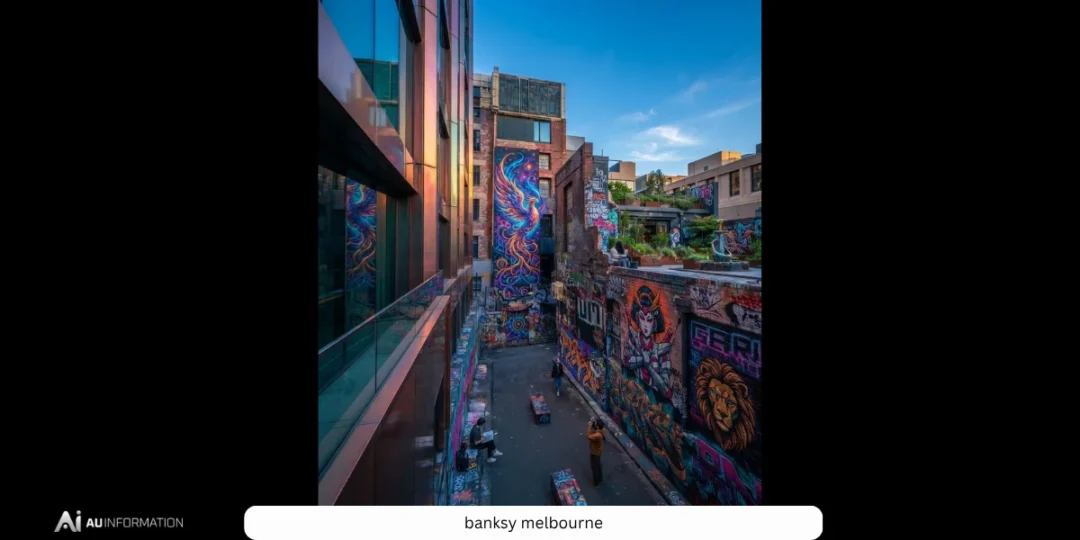
Introduction: When the World’s Most Mysterious Artist Left His Mark on Melbourne
Melbourne has long been recognised as Australia’s creative capital, famous for its laneways, independent artists, music scene and vibrant cultural identity. However, the city’s reputation as a global street art destination reached another level when one of the world’s most mysterious artists, Banksy, created a series of stencil artworks across Melbourne in the early 2000s.
Banksy’s Melbourne connection remains one of the most fascinating chapters in Australian street art history. Unlike traditional gallery artists, Banksy built his reputation through anonymous public artworks that combine political messages, humour and social commentary. His work transformed ordinary walls, buildings and laneways into internationally recognised cultural spaces.
Although many of his Melbourne pieces have disappeared or been damaged over time, their influence continues. Banksy helped highlight the artistic value of street art and contributed to Melbourne’s transformation into one of the world’s most respected urban art destinations.
Who Is Banksy and Why Is He Important?
Banksy is a British street artist, political activist and filmmaker whose true identity remains unknown. Since emerging in the 1990s, he has become one of the most influential contemporary artists in the world.
His signature style includes:
- Black-and-white stencil designs
- Political and social commentary
- Satirical humour
- Public installations in unexpected locations
Banksy’s artwork often explores themes such as:
- War and peace
- Consumer culture
- Government authority
- Social inequality
- Human behaviour
Unlike traditional artists who display work in galleries, Banksy’s approach focuses on bringing art directly into public spaces. This created a global conversation about whether street art should be considered vandalism or valuable cultural expression.
Banksy’s Connection With Melbourne
Banksy reportedly visited Melbourne in the early 2000s during a period when the city’s street art movement was rapidly developing. At that time, Melbourne’s laneways and urban spaces were becoming important platforms for underground artists.
The artist created several stencil works around areas including:
- The Melbourne CBD
- Fitzroy
- Hosier Lane and surrounding laneways
His visit connected Melbourne with the international street art movement and placed the city on the radar of art enthusiasts around the world.
While many street artworks naturally disappear due to weather, redevelopment or removal, Banksy’s Melbourne works became part of the city’s cultural history.
The Famous “Parachuting Rat” Artwork
One of Banksy’s most recognised Melbourne artworks was “Parachuting Rat.”
The artwork featured a rat wearing aviator glasses while descending with a parachute. Like many Banksy creations, the image combined humour with a deeper message.
The rat has become one of Banksy’s recurring symbols. Throughout his career, he has used rats to represent survival, rebellion and society’s outsiders.
The Melbourne version gained international attention after it was accidentally removed in 2010 when council cleaners painted over the artwork.
The incident created a major debate:
- Should street art be protected like historical artwork?
- Is removing graffiti part of normal city maintenance?
- Does preserving street art contradict its temporary nature?
For many art supporters, the loss of the Parachuting Rat represented the disappearance of an important cultural piece.
The Debate: Street Art, Graffiti and Cultural Heritage
Banksy’s Melbourne works raised a wider question faced by cities around the world: when does street art become heritage?
Traditionally, graffiti was often viewed as illegal damage to public and private property. However, artists like Banksy changed public attitudes by demonstrating that street art could communicate powerful ideas and attract tourism.
Supporters argue that important street artworks should be protected because they:
- Reflect social history
- Encourage creativity
- Attract visitors
- Create cultural identity
Critics argue that street art is designed to be temporary and that preserving every artwork changes the original purpose of the movement.
Melbourne’s experience with Banksy shows the complexity of balancing urban cleanliness with cultural preservation.
Melbourne’s Street Art Culture After Banksy
Banksy was not responsible for creating Melbourne’s street art scene, but his influence helped increase global attention on the city’s creative culture.
Melbourne is now internationally recognised for its colourful laneways and murals, especially areas such as:
Hosier Lane
Hosier Lane has become one of Australia’s most famous street art locations. The constantly changing walls attract photographers, tourists and artists from around the world.
Unlike traditional galleries, Hosier Lane offers a living art experience where artworks evolve regularly.
Fitzroy
Fitzroy has a long history as a creative neighbourhood known for independent artists, alternative culture and experimental design.
Street art became an important part of the area’s identity, reflecting Melbourne’s diverse artistic community.
CBD Laneways
Melbourne’s central laneways demonstrate how urban spaces can become cultural attractions. Previously overlooked areas have been transformed into destinations through murals, installations and creative projects.
Banksy Exhibitions in Melbourne
Although original Banksy street artworks are rare and difficult to access, exhibitions have allowed Melbourne audiences to experience collections inspired by his work.
Shows such as “The Art of Banksy: Without Limits” brought large-scale installations, reproductions and displays connected with Banksy’s artistic world.
These exhibitions attracted:
- Art enthusiasts
- Tourists
- Families
- Students
- Contemporary art followers
They also demonstrated the continued global demand for Banksy’s unique style and ideas.
Why Banksy Melbourne Remains Popular Today
The search interest around “Banksy Melbourne” continues because the story combines several powerful themes:
Mystery
Banksy’s anonymous identity creates constant curiosity. People remain fascinated by an artist who became globally famous without revealing his name.
Lost Artwork
The disappearance of some Melbourne works created a sense of history and nostalgia. Lost artworks often become even more valuable in public memory.
Cultural Impact
Banksy helped prove that street art could influence conversations about society, politics and creativity.
Tourism Appeal
Visitors interested in Melbourne’s art culture often explore areas connected with street art history, including locations influenced by Banksy’s presence.
Common Mistakes When Exploring Banksy Melbourne
People interested in Banksy’s Melbourne connection should remember:
Assuming Every Street Artwork Is Authentic Banksy
Many artworks are inspired by Banksy’s style, but not every stencil or mural is created by him.
Expecting Original Works to Still Exist
Street art changes constantly. Many original works have disappeared due to cleaning, weather damage or redevelopment.
Ignoring Melbourne’s Wider Art Culture
Banksy is an important part of Melbourne’s story, but the city’s street art movement includes thousands of local and international artists.
The Future of Melbourne’s Street Art Scene
Melbourne’s street art culture continues to evolve. Future developments are likely to include:
- More organised mural programs
- Greater recognition of urban art as cultural heritage
- Digital archives documenting important artworks
- New creative spaces for emerging artists
Cities around the world are increasingly recognising that street art can contribute to tourism, community identity and cultural expression.
Conclusion: Banksy’s Lasting Influence on Melbourne
Banksy Melbourne represents more than a collection of lost artworks. It represents a moment when street art gained international recognition and changed how people viewed public creativity.
From the famous Parachuting Rat to the city’s thriving laneway culture, Banksy’s influence remains visible in Melbourne’s artistic identity. His work encouraged conversations about creativity, ownership, preservation and the role of art in everyday life.
Although many of his original Melbourne pieces no longer exist, their cultural impact continues. Banksy helped strengthen Melbourne’s reputation as a global street art destination and proved that sometimes the most powerful artworks are not found inside museums — they are found on the walls of the city itself.



No Comments