
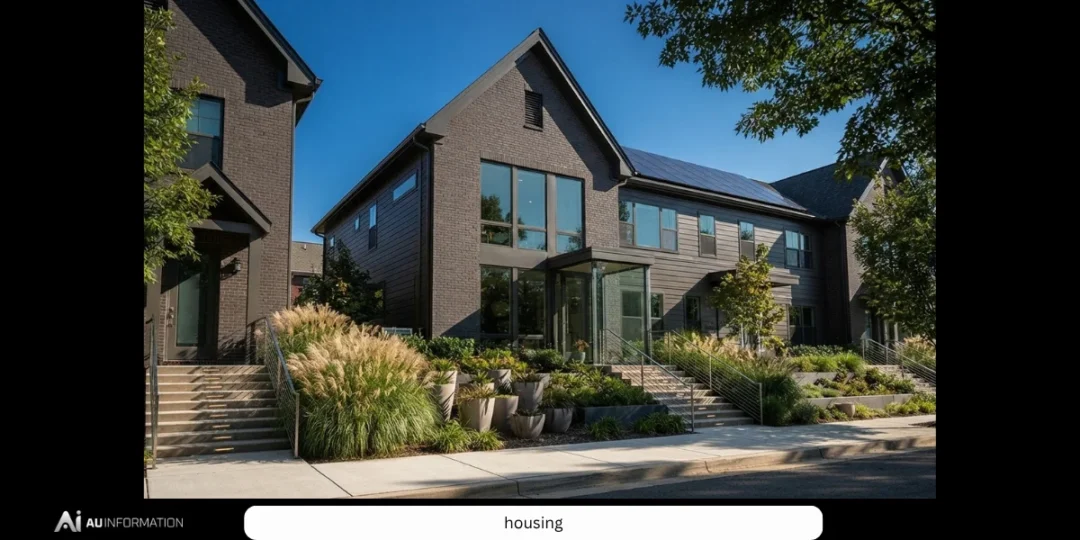
Introduction: Why Housing Matters More Than Ever
Housing is one of the most important parts of human life. A home is not only a place where people sleep and store their belongings; it provides security, stability, comfort and a sense of belonging. Across the world, housing has become a major economic and social issue as growing populations, rising construction costs and changing lifestyles continue to reshape how people live.
From traditional family houses and modern apartments to rental properties and affordable housing projects, the housing sector affects almost every part of society. It influences household finances, employment, urban development and government policy.
In recent years, housing markets around the world have experienced significant changes. Rising interest rates, limited housing supply, increasing demand and affordability pressures have made buying a home more challenging for many people. At the same time, innovation in architecture, sustainability and technology is creating new possibilities for the future of housing.
What Is Housing and Why Is It Important?
Housing refers to the buildings and living spaces where individuals and families reside. It includes different types of properties designed to meet different needs, budgets and lifestyles.
Common types of housing include:
- Detached houses: Private homes usually built on individual blocks of land.
- Apartments: Multi-unit buildings designed for urban living.
- Townhouses: Properties that share walls with neighbouring homes while offering more space than apartments.
- Rental housing: Homes occupied by tenants who pay regular rent to property owners.
- Social and affordable housing: Properties designed to support people who cannot access standard market housing.
A strong housing system helps create stable communities. When people have access to safe and affordable homes, they are more likely to experience better health, education and financial security.
The Global Housing Affordability Challenge
One of the biggest issues facing modern societies is housing affordability. In many major cities, property prices have increased faster than household incomes, making home ownership difficult for younger generations and lower-income families.
Several factors contribute to housing affordability problems:
Rising Property Prices
High demand for homes, especially in major cities with strong employment opportunities, has pushed property prices upward. Limited land availability in popular locations has increased competition among buyers.
Construction Costs
The cost of building new homes has increased due to:
- Higher material prices
- Labour shortages
- Supply chain disruptions
- Increased regulations
These factors make new housing developments more expensive.
Population Growth
Growing populations create additional demand for housing. Cities must constantly expand infrastructure and develop new residential areas to accommodate more residents.
Interest Rates
Mortgage costs have a major impact on housing markets. When interest rates rise, borrowing becomes more expensive, reducing some buyers’ ability to purchase property.
Buying vs Renting: Choosing the Right Housing Option
The decision between buying and renting depends on personal circumstances, financial goals and lifestyle preferences.
Advantages of Buying a Home
Home ownership provides several benefits:
- Long-term financial security
- Potential property value growth
- Freedom to renovate and personalise the property
- Protection from rising rental costs
For many people, buying a home is considered an important investment decision because property can build wealth over time.
Advantages of Renting
Renting also offers flexibility, especially for people who:
- Move frequently for work
- Are saving for a future home purchase
- Prefer not to manage property maintenance costs
Renters can often choose locations that may be expensive to buy in while maintaining financial flexibility.
Modern Housing Trends Changing the Way People Live
The housing industry is evolving rapidly as technology, environmental concerns and changing lifestyles influence home design.
Sustainable and Energy-Efficient Homes
Environmental awareness has increased demand for sustainable housing. Modern buyers are increasingly interested in homes that reduce energy consumption and lower long-term costs.
Popular sustainable features include:
- Solar panels
- Energy-efficient appliances
- Better insulation
- Rainwater collection systems
- Natural lighting designs
Sustainable housing is becoming an important part of future urban development.
Smart Home Technology
Technology is transforming traditional houses into connected living spaces.
Smart home features include:
- Automated lighting systems
- Smart security cameras
- Voice-controlled devices
- Energy monitoring systems
- Digital home management tools
These technologies improve convenience, safety and energy efficiency.
Smaller and Flexible Living Spaces
Changing lifestyles have increased demand for smaller, more practical homes. Many urban residents prefer efficient designs that maximise space without unnecessary costs.
Examples include:
- Compact apartments
- Modular homes
- Flexible rooms that serve multiple purposes
This trend is particularly popular among young professionals and people living in expensive cities.
The Role of Housing in Economic Growth
Housing is closely connected to the wider economy. Construction and real estate industries create millions of jobs worldwide, including employment for:
- Builders
- Architects
- Engineers
- Property managers
- Real estate professionals
- Construction suppliers
When housing markets are strong, they often support economic growth through increased investment and consumer spending.
However, unstable housing markets can create challenges. Rapid price increases may create affordability issues, while declining markets can affect homeowners, investors and businesses.
Common Mistakes People Make When Choosing Housing
Buying or renting a property is a major decision, and mistakes can become expensive.
Some common mistakes include:
Ignoring Long-Term Costs
Many buyers focus only on the purchase price and forget additional expenses such as:
- Maintenance
- Insurance
- Taxes
- Repairs
- Utilities
Choosing Location Based Only on Price
Affordable properties may sometimes be located far from employment centres, schools or essential services. Location remains one of the most important factors in housing decisions.
Not Researching the Market
Understanding local property trends, supply levels and future developments can help buyers make better decisions.
The Future of Housing: What Can We Expect?
The future of housing will likely be shaped by affordability, sustainability and technology.
Several important trends are expected to continue:
More Affordable Housing Solutions
Governments and developers are exploring new approaches to increase housing supply, including:
- Higher-density developments
- Affordable housing programs
- Faster construction methods
Advanced Construction Technology
New building methods, including modular construction and digital design tools, may reduce construction time and costs.
Greater Focus on Sustainability
Future homes are expected to become more environmentally friendly as governments and consumers prioritise climate-conscious living.
Changing Urban Design
Cities are moving toward communities that combine housing with transport, workplaces, shopping areas and green spaces. This approach creates more convenient and connected lifestyles.
Conclusion: Housing Will Continue to Shape the Future
Housing remains one of the most important challenges and opportunities facing the world. It influences personal security, economic development and the future design of cities.
While affordability challenges continue, innovation is creating new solutions through sustainable construction, smart technology and improved urban planning. The homes of the future will not only provide shelter but will also focus on efficiency, flexibility and quality of life.
As populations grow and lifestyles change, the housing industry will continue to adapt. Understanding housing trends, market conditions and future developments will be essential for buyers, renters, investors and communities around the world.




No Comments