
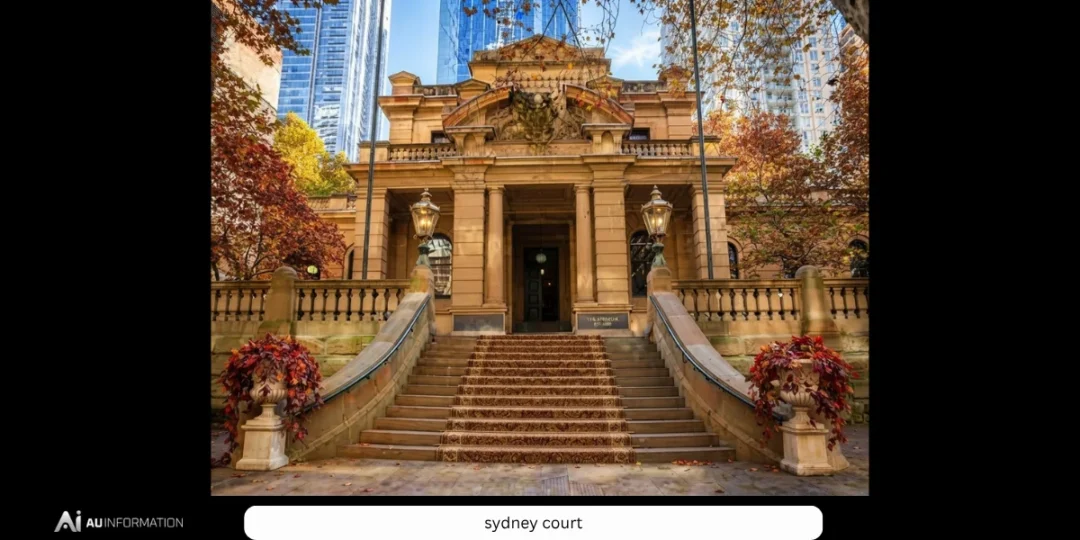
Sydney’s courts are more than just government buildings where legal disputes are resolved. They represent centuries of Australian history, justice, and democratic development. Located in the heart of the city’s legal precinct, Sydney courts handle some of the most important matters affecting individuals, businesses, families and the wider community.
From criminal trials and civil disputes to commercial cases and constitutional matters, the Sydney court system plays a central role in maintaining the rule of law in New South Wales.
The city’s legal landscape includes some of Australia’s oldest judicial institutions, historic heritage buildings and modern court facilities designed to manage the demands of a growing population. For lawyers, judges, journalists, victims, defendants and everyday citizens, Sydney courts remain one of the most important parts of Australia’s justice system.
The History of Sydney Courts
The history of Sydney courts is closely connected with the development of Australia’s legal system.
The Supreme Court of New South Wales was established in 1824, making it one of Australia’s oldest superior courts. Its creation marked a significant step in moving from colonial administration toward a structured justice system based on legal principles and independent decision-making.
Over the years, Sydney became the centre of legal activity in New South Wales, with courts expanding alongside population growth and economic development.
The city’s legal precinct developed around important streets including:
- Queens Square
- Elizabeth Street
- Phillip Street
- Macquarie Street
Today, this area remains the heart of Sydney’s legal community, containing courts, law firms, barristers’ chambers and government legal offices.
Major Courts in Sydney
Sydney has several major courts, each responsible for different areas of law.
Supreme Court of New South Wales
The Supreme Court is the highest court in NSW and handles the most serious legal matters.
Its responsibilities include:
- Serious criminal trials
- Major civil disputes
- Appeals from lower courts
- Complex legal questions
The Supreme Court is divided into different divisions, including:
Common Law Division
This division deals with areas such as:
- Personal injury claims
- Defamation matters
- Professional negligence cases
- Civil disputes
Equity Division
The Equity Division manages disputes involving:
- Property
- Trusts
- Commercial issues
- Estate matters
The Supreme Court also hears appeals from lower courts and tribunals.
District Court of NSW
The District Court deals with significant criminal and civil matters that are more serious than those handled by the Local Court but below the Supreme Court level.
Examples include:
- Serious criminal offences
- Large civil claims
- Appeals from Local Court decisions
The District Court plays a major role in managing NSW’s criminal justice system.
Local Court of NSW
The Local Court handles the majority of legal matters in the state.
It deals with:
- Minor criminal offences
- Traffic matters
- Bail applications
- Domestic violence proceedings
- Small civil disputes
Because of its broad jurisdiction, the Local Court is often the first point of contact for many people entering the legal system.
Federal Court and Other Federal Matters
Sydney also hosts sittings of federal courts, including the Federal Court of Australia.
Federal matters may involve:
- Corporations law
- Competition law
- Migration disputes
- Employment issues
- Administrative decisions
The presence of federal courts makes Sydney an important national legal centre.
The Sydney Legal Precinct
The Sydney legal precinct around Queens Square and Macquarie Street is one of the most recognisable legal areas in Australia.
It contains historic and modern buildings that reflect different periods of Australian legal development.
Supreme Court Buildings
The Supreme Court complex includes important heritage structures such as:
- The Greenway Wing
- The Old Registry Wing
- The Law Courts Building
The Greenway Wing is particularly significant because it was designed by Francis Greenway, one of Australia’s most famous colonial architects.
These buildings represent the connection between architecture, history and the justice system.
Downing Centre Courts
The Downing Centre is another major Sydney courthouse, particularly associated with criminal matters.
It has historically handled many Local Court and District Court proceedings.
The building has experienced challenges in recent years, including disruptions caused by major repairs following flooding, highlighting the importance of maintaining court infrastructure.
How Sydney Courts Operate
A courtroom involves many different professionals working together to ensure justice is delivered fairly.
Judges and Magistrates
Judges and magistrates are responsible for:
- Managing court proceedings
- Interpreting laws
- Making legal decisions
- Delivering judgments and sentences
They must remain independent and make decisions based on evidence and legal principles.
Lawyers and Barristers
Lawyers represent parties involved in court matters.
Their responsibilities include:
- Advising clients
- Preparing legal arguments
- Presenting evidence
- Negotiating settlements
Barristers often specialise in courtroom advocacy and complex legal arguments.
Court Staff
Court staff play an essential supporting role by:
- Managing documents
- Organising hearings
- Assisting court users
- Maintaining court records
Without efficient administration, the court system could not function effectively.
Famous Cases and Public Interest
Sydney courts have handled many high-profile cases that attracted national attention.
These cases often involve:
- Major criminal investigations
- Corporate disputes
- Constitutional questions
- Public figures
High-profile trials demonstrate the important role courts play in ensuring that every person receives a fair hearing under the law.
However, courts must balance public interest with important legal principles such as:
- The presumption of innocence
- The right to a fair trial
- Judicial independence
Visiting Sydney Court: What People Should Know
For many people, visiting a court can feel intimidating, especially if it is their first experience.
Helpful tips include:
Arrive Early
Court proceedings can involve security checks and waiting periods, so arriving early is recommended.
Dress Appropriately
Courts are formal environments. Visitors should wear respectful clothing.
Understand Court Rules
Visitors should remember:
- Mobile phones may need to be switched off
- Photography restrictions apply
- Courtroom behaviour must remain respectful
Seek Legal Advice When Needed
People involved in legal matters should consider obtaining professional legal advice before attending court.
Understanding legal rights and responsibilities can make the process easier.
Technology and the Future of Sydney Courts
Like many modern institutions, Sydney courts are adapting to technological change.
Future developments may include:
- More online court services
- Digital document systems
- Virtual hearings
- Improved case management technology
Technology can make legal processes more efficient while improving access to justice.
However, courts must continue protecting important principles such as fairness, transparency and privacy.
The Importance of Sydney Courts in Australian Society
Courts are one of the foundations of democracy. They provide a structured way to resolve disagreements, hold people accountable and protect individual rights.
Sydney courts serve a diverse community with millions of residents, businesses and visitors. Their work affects many areas of daily life, from family disputes and criminal matters to commercial decisions that influence the economy.
A strong and independent court system helps maintain public confidence in justice.
Conclusion
Sydney courts are a vital part of Australia’s legal, historical and democratic landscape. From the historic Supreme Court buildings to modern judicial facilities, they represent the evolution of justice in New South Wales.
Behind every courtroom is a complex system involving judges, lawyers, court staff and the community working together to ensure fairness and accountability.
As Sydney continues to grow, its courts will remain essential institutions — protecting rights, resolving disputes and shaping the future of Australian law.




No Comments