
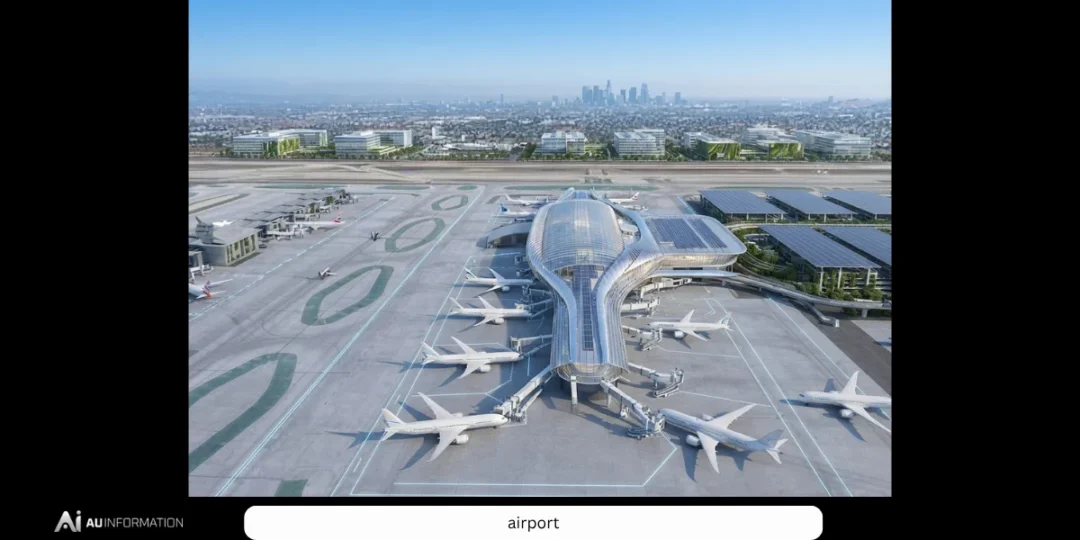
Introduction: The Gateways That Connect the Modern World
Airports are among the most important infrastructure systems in modern society. Every day, millions of passengers travel through airports to reach different cities, countries and continents, while billions of dollars worth of goods move through air cargo networks.
More than simple departure and arrival points, airports have become complex global hubs that combine transportation, technology, business, tourism and economic development. A modern airport operates like a small city, with thousands of employees, advanced security systems, restaurants, hotels, shopping areas and sophisticated aviation facilities.
From the world’s busiest international airports to small regional airfields, airports play a vital role in connecting communities and supporting global movement. They bring people together, strengthen trade relationships and create opportunities for tourism and business growth.
The History and Evolution of Airports
The history of airports is closely connected with the development of aviation itself. Early aircraft operations in the early 20th century used simple landing fields with basic facilities. These early airfields were mainly designed for military purposes and limited passenger travel.
As commercial aviation expanded, airports evolved into organised transportation centres with dedicated runways, terminals and passenger services.
Important stages in airport development include:
- Early aviation fields used by military and experimental aircraft
- Growth of commercial passenger airlines
- Construction of international terminals after World War II
- Expansion of global aviation networks
- Introduction of digital technology and automated systems
The growth of international travel transformed airports into essential parts of global infrastructure.
Today, major airports handle millions of passengers annually and serve as important economic centres for their regions.
How Airports Operate
A modern airport requires coordination between many different systems and organisations. Every flight depends on hundreds of employees working together to ensure safe and efficient operations.
Runways and Aircraft Movement
Runways are one of the most important parts of an airport. They allow aircraft to take off and land safely.
Large airports may have multiple runways designed to handle different aircraft sizes and weather conditions.
Airport operations teams manage:
- Aircraft arrivals and departures
- Runway scheduling
- Weather monitoring
- Ground movement
Terminals and Passenger Services
Airport terminals are designed to manage passengers before and after flights.
Typical terminal facilities include:
- Check-in counters
- Security screening areas
- Immigration and customs facilities
- Boarding gates
- Baggage collection areas
- Restaurants and retail stores
Large international airports may have multiple terminals serving different airlines and destinations.
Air Traffic Control
Air traffic control is responsible for managing aircraft movements in the sky and around airports.
Controllers provide instructions to pilots regarding:
- Take-off and landing procedures
- Flight routes
- Weather conditions
- Aircraft spacing
This system helps maintain aviation safety worldwide.
The World’s Major Airports
Some airports have become internationally recognised because of their size, passenger numbers and services.
Dubai International Airport
Dubai International Airport is one of the world’s busiest international airports and a major connection point between Europe, Asia and the Middle East.
It is known for:
- Luxury shopping
- Large passenger terminals
- International airline connections
- Premium passenger facilities
Singapore Changi Airport
Singapore Changi Airport is famous for its exceptional passenger experience. It includes attractions such as gardens, entertainment areas and extensive shopping facilities.
The airport has become a destination itself rather than just a place to catch flights.
London Heathrow Airport
London Heathrow is one of Europe’s busiest airports and a major global aviation hub connecting passengers across continents.
Sydney Airport
Sydney Airport is Australia’s largest international airport and a key gateway for tourism, business travel and international trade.
It connects Australia with destinations across Asia, Europe and North America.
The Economic Importance of Airports
Airports contribute significantly to local and national economies.
They create employment opportunities across many industries, including:
- Aviation
- Hospitality
- Retail
- Transportation
- Security services
- Engineering
- Logistics
Airports also support tourism by making destinations accessible to international visitors.
For businesses, airports provide essential connections for:
- International meetings
- Global trade
- Cargo transportation
- Corporate travel
Many cities experience economic growth because of their airports and the industries developed around them.
Airport Technology and Innovation
Technology has transformed how airports operate and how passengers experience air travel.
Modern airports increasingly use advanced systems to improve efficiency and security.
Automated Check-In
Many airports now offer:
- Self-service kiosks
- Mobile boarding passes
- Online check-in systems
These technologies reduce waiting times and improve passenger convenience.
Biometric Security
Biometric technology uses features such as facial recognition to improve identity verification.
Benefits include:
- Faster passenger processing
- Improved security
- Reduced paperwork
Smart Baggage Systems
Modern baggage systems use tracking technology to reduce lost luggage and improve efficiency.
Passengers can increasingly monitor their baggage journey through mobile applications.
Passenger Experience at Modern Airports
Airports today focus heavily on creating comfortable and enjoyable experiences for travellers.
Many major airports include:
- Airport lounges
- Hotels
- Restaurants
- Shopping centres
- Entertainment areas
- Business facilities
Premium airports are designed to provide convenience for different types of travellers, from families and tourists to business professionals.
A well-designed airport can make travel less stressful and more enjoyable.
Common Mistakes Passengers Make at Airports
Even experienced travellers can make mistakes that create unnecessary stress.
Arriving Too Late
One of the most common mistakes is arriving at the airport without enough time for:
- Check-in
- Security checks
- Boarding procedures
International flights often require passengers to arrive several hours before departure.
Ignoring Travel Documents
Passengers should always check:
- Passport validity
- Visa requirements
- Airline restrictions
Missing documents can prevent boarding.
Packing Incorrectly
Understanding baggage rules helps avoid problems at security checkpoints.
Travellers should check restrictions on:
- Liquids
- Electronics
- Restricted items
Environmental Challenges and Sustainable Airports
The aviation industry faces increasing pressure to reduce environmental impact.
Airports around the world are investing in sustainability through:
- Solar energy systems
- Energy-efficient buildings
- Electric ground vehicles
- Waste reduction programs
- Sustainable airport design
Future airports will focus on balancing increased air travel demand with environmental responsibility.
Airlines and airports are also exploring cleaner fuels and new aircraft technologies to reduce emissions.
The Future of Airports
The future of airports will be shaped by technology, sustainability and changing passenger expectations.
Future developments may include:
- Fully automated passenger journeys
- Artificial intelligence-powered operations
- Advanced security systems
- Sustainable airport buildings
- Faster baggage processing
- Electric aircraft technology
Smart airports will use data and automation to create smoother travel experiences while improving safety and efficiency.
As global travel continues to grow, airports will remain essential connections between people, businesses and cultures.
Conclusion: Airports as the Foundations of Global Connection
Airports are much more than transportation facilities. They are powerful engines of economic growth, tourism development and international connection.
From their early beginnings as simple airfields to today’s advanced aviation hubs, airports have transformed the way people experience the world.
They connect families, support businesses, encourage tourism and enable global trade. As technology continues to advance and sustainability becomes increasingly important, airports will continue evolving to meet the needs of future generations.
The modern airport represents one of humanity’s greatest achievements — a place where innovation, movement and global connection come together.




No Comments