
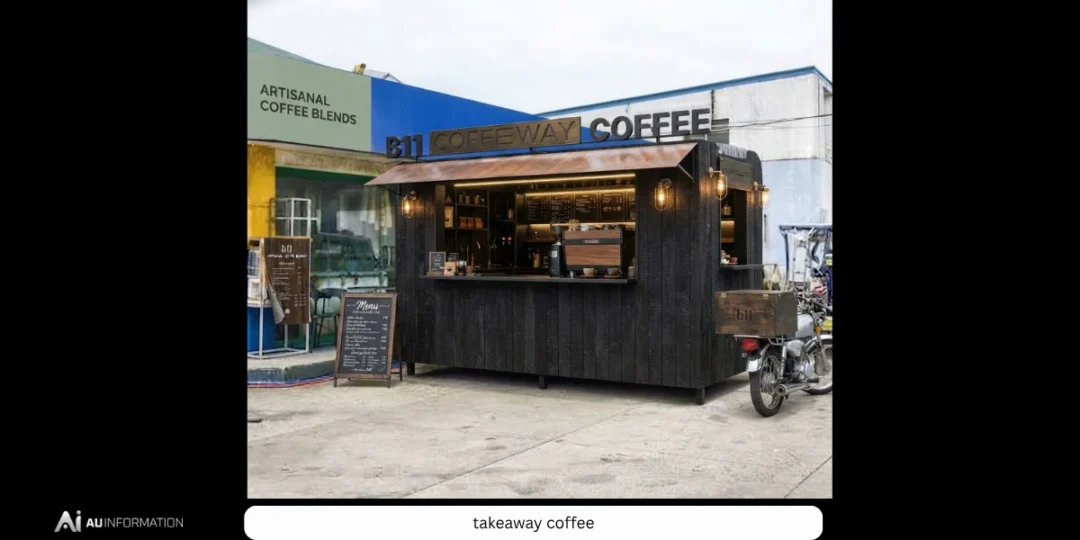
Introduction: The Coffee Cup That Defines Modern Life
For millions of people around the world, the day does not truly begin until they have their first cup of coffee. Whether it is a flat white purchased on the way to work, an iced latte during a busy afternoon or a simple espresso before a meeting, takeaway coffee has become one of the most recognisable habits of modern life.
What was once a simple convenience has developed into a global lifestyle culture. Coffee shops are no longer just places to buy a drink; they have become social spaces, business hubs and important parts of local communities.
In countries such as Australia, takeaway coffee has reached a particularly high standard. Australian café culture is internationally respected, with customers expecting quality beans, skilled baristas and carefully prepared drinks even when ordering coffee to go.
The rise of specialty coffee, mobile ordering, sustainable packaging and independent cafés has transformed takeaway coffee from a basic service into a sophisticated industry.
What Is Takeaway Coffee?
Takeaway coffee refers to coffee prepared by a café, restaurant or coffee shop and served in a portable cup for customers who choose to leave the venue rather than drink inside.
It is popular among:
- Office workers commuting to work
- Students travelling between classes
- Busy parents managing daily schedules
- Travellers exploring cities
- People looking for a quick energy boost
Unlike traditional café dining, takeaway coffee focuses on speed, convenience and portability while maintaining quality.
Popular takeaway coffee choices include:
- Flat white
- Cappuccino
- Latte
- Espresso
- Long black
- Mocha
- Iced coffee
- Cold brew
The variety of options allows customers to choose coffee based on their taste preferences, lifestyle and daily routine.
The History of Takeaway Coffee Culture
The idea of drinking coffee while travelling or working is not new, but modern takeaway coffee culture developed significantly with the growth of urban lifestyles.
As cities became busier, people needed faster food and beverage options. Coffee shops began adapting by offering portable cups, quicker service and convenient locations near offices and transport hubs.
Over time, takeaway coffee became closely connected with:
- Morning routines
- Workplace culture
- Social habits
- Urban living
In Australia, cafés played a major role in developing this culture. Independent coffee shops focused on quality and craftsmanship, creating a market where customers became highly knowledgeable about coffee.
Australia’s Strong Café Culture
Australia is often considered one of the world’s leading coffee cultures. Unlike some countries where large chain cafés dominate, Australian cities have developed a strong independent café scene.
Cities such as:
- Melbourne
- Sydney
- Brisbane
- Perth
are known for their specialty coffee communities.
Australian coffee consumers often care about:
- Bean origin
- Roasting methods
- Milk quality
- Barista techniques
- Flavour profiles
This has encouraged cafés to continuously improve their products and customer experiences.
The Australian flat white, in particular, has gained international popularity and is now served in cafés around the world.
Why Takeaway Coffee Became So Popular
Several lifestyle changes have contributed to the growth of takeaway coffee.
Convenience for Busy Lifestyles
Modern schedules are often demanding. Many people have limited time in the morning and prefer grabbing coffee on the way to work rather than sitting in a café.
Takeaway coffee provides:
- Quick service
- Easy transport
- Flexible consumption
A customer can enjoy their drink while commuting, walking or working.
Coffee as a Daily Ritual
For many people, coffee is not only about caffeine. It represents a personal routine and a moment of enjoyment during a busy day.
A morning coffee can provide:
- A sense of comfort
- A short break from stress
- A familiar daily experience
This emotional connection is one reason coffee remains popular even when prices increase.
Social and Community Connection
Although takeaway coffee is designed for convenience, cafés still play an important social role.
Local coffee shops often become community meeting points where customers develop relationships with baristas and other regular visitors.
Independent cafés especially contribute to neighbourhood identity and local business culture.
The Growth of Specialty Coffee
The modern takeaway coffee industry has moved beyond basic drinks. Customers increasingly want premium experiences.
Specialty coffee focuses on:
- High-quality beans
- Ethical sourcing
- Skilled preparation
- Unique flavours
Many cafés now highlight information such as:
- Coffee-growing region
- Roasting date
- Farming practices
- Brewing methods
This has changed customer expectations and encouraged greater appreciation for coffee quality.
Technology Changing the Coffee Industry
Technology has significantly influenced takeaway coffee.
Modern cafés now use:
Mobile Ordering
Customers can order coffee through apps before arriving, reducing waiting times.
Digital Payments
Contactless payments have made purchasing coffee faster and easier.
Loyalty Programs
Many cafés use rewards systems to encourage repeat customers.
Online Presence
Social media helps cafés promote new drinks, seasonal menus and brand identity.
Technology has allowed smaller coffee businesses to compete more effectively.
Sustainability and Environmental Challenges
One of the biggest challenges facing takeaway coffee is environmental impact.
Millions of disposable coffee cups are used every day worldwide. Although many cups appear recyclable, some require specialised recycling facilities because of their mixed materials.
The industry is responding through:
- Reusable cups
- Compostable packaging
- Sustainable coffee sourcing
- Reduced plastic use
Many environmentally conscious customers now choose cafés based on sustainability practices.
Rising Coffee Prices and Business Challenges
Takeaway coffee has also become part of cost-of-living discussions.
Café owners face increasing expenses, including:
- Coffee bean prices
- Milk costs
- Staff wages
- Rent
- Energy bills
- Packaging costs
These challenges have caused many cafés to increase prices while trying to maintain quality.
For customers, higher prices have encouraged greater awareness of value. Many people are willing to pay more when they believe they are receiving better quality, ethical products and excellent service.
Common Mistakes When Choosing Takeaway Coffee
Although coffee seems simple, several factors affect quality.
Ignoring Coffee Freshness
Freshly roasted beans usually provide better flavour compared with old coffee stock.
Choosing Only Based on Price
The cheapest option is not always the best experience. Quality ingredients and preparation methods influence taste.
Not Understanding Coffee Styles
Different drinks have different characteristics. For example:
- Flat white offers a balanced milk and espresso combination.
- Cappuccino has more foam.
- Long black provides a stronger espresso flavour.
Understanding preferences helps customers choose better drinks.
The Future of Takeaway Coffee
The takeaway coffee industry will continue evolving as customer expectations change.
Future trends are likely to include:
More Sustainable Solutions
Reusable systems and environmentally friendly packaging will become increasingly important.
Personalised Coffee Experiences
Technology may allow customers to customise drinks based on personal preferences.
Continued Growth of Specialty Coffee
Consumers are expected to continue seeking higher-quality coffee experiences.
Greater Focus on Local Cafés
Many customers prefer supporting independent businesses that offer unique products and personal service.
Conclusion: A Small Cup With a Global Impact
Takeaway coffee has become far more than a convenient drink. It represents modern lifestyles, community connections and the global appreciation of quality coffee.
From busy city commuters to relaxed weekend customers, millions of people enjoy coffee as part of their daily routine. The industry continues to evolve through technology, sustainability and changing consumer expectations.
Whether it is a carefully crafted flat white from an Australian café or a simple espresso enjoyed during a busy morning, takeaway coffee remains one of the world’s most loved everyday experiences.




No Comments